A technically compact batsman at the top of any batting line-up lends a great deal of solidity to a cricket team, and this becomes more evident in Test cricket, where the real abilities of a batsman are thoroughly tested.
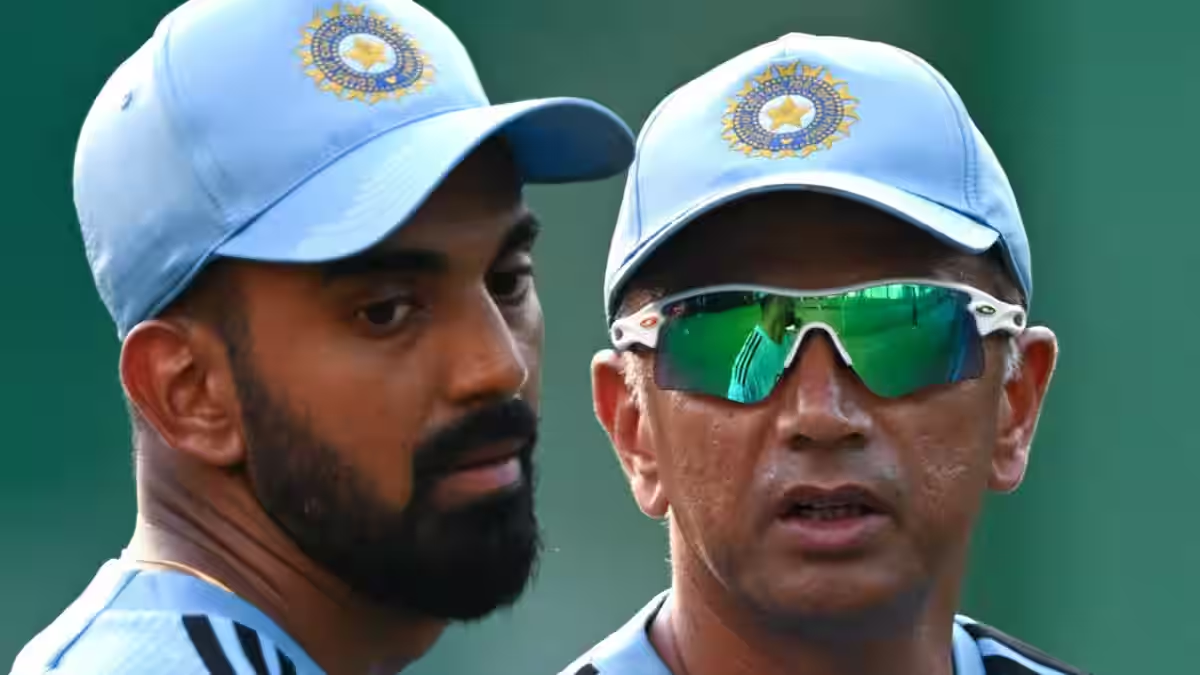
For several decades now, Rahul has been a name that comes to the mind of any Indian cricket lover while talking about a technically sound top-order batsman. Rahul’s era started in the 90s with Rahul Dravid, who earned the nickname “Wall” with his dour defence and later on was carried forward by his namesake from his same state, K L Rahul.
Rahul Dravid, who started his Test career at No.7, cemented his position as No.3 and played several pivotal innings for India until his retirement. K. L. Rahul started as a middle-order batsman and batted in various positions, and is currently donning the role of an opener in the Indian Test team.
Two continuous white washes for India at home necessitated an introspection into the performance of each Indian player, and with K. L. Rahul being the seniormost batsman of the team, his inconsistency and technical flaws against spinners have come under the scanner, which made a comparison with senior Rahul a worthy topic.
A comparison of Rahul Dravid and K. L. Rahul will reveal that their careers overlapped only in name. The contrast between their styles, temperaments, and achievements offers valuable insight into how the role of a Test batsman has evolved across generations.
Pic Credit : theindianwire.com
Dravid was the embodiment of classical Test batting. His ability to bat long with precise judgement of the line and length of each bowler, his compact defensive technique, precise foot work against spin and seam, were unmatched, and he was at ease in any type of pitches in the subcontinent or abroad. No wonder he was the backbone of Indian batting for years.
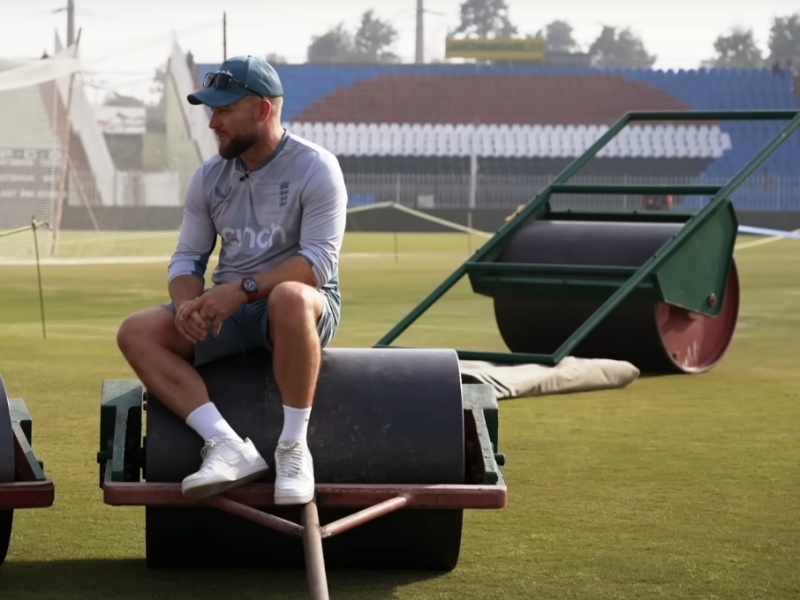
Pic Credit : CricTracker
K. L. Rahul, at his best, looks world-class and is more flamboyant, and his game is built for stroke-play. However, his technique also has vulnerabilities, like hard hands early in the innings, occasional indecision outside the off stump and inconsistent balance at the crease, which make him prone to streaky patches. The shot he attempted against Harmer to get bowled in the second innings of the Guwahati Test against South Africa is a testimony to his chinks in his armour.
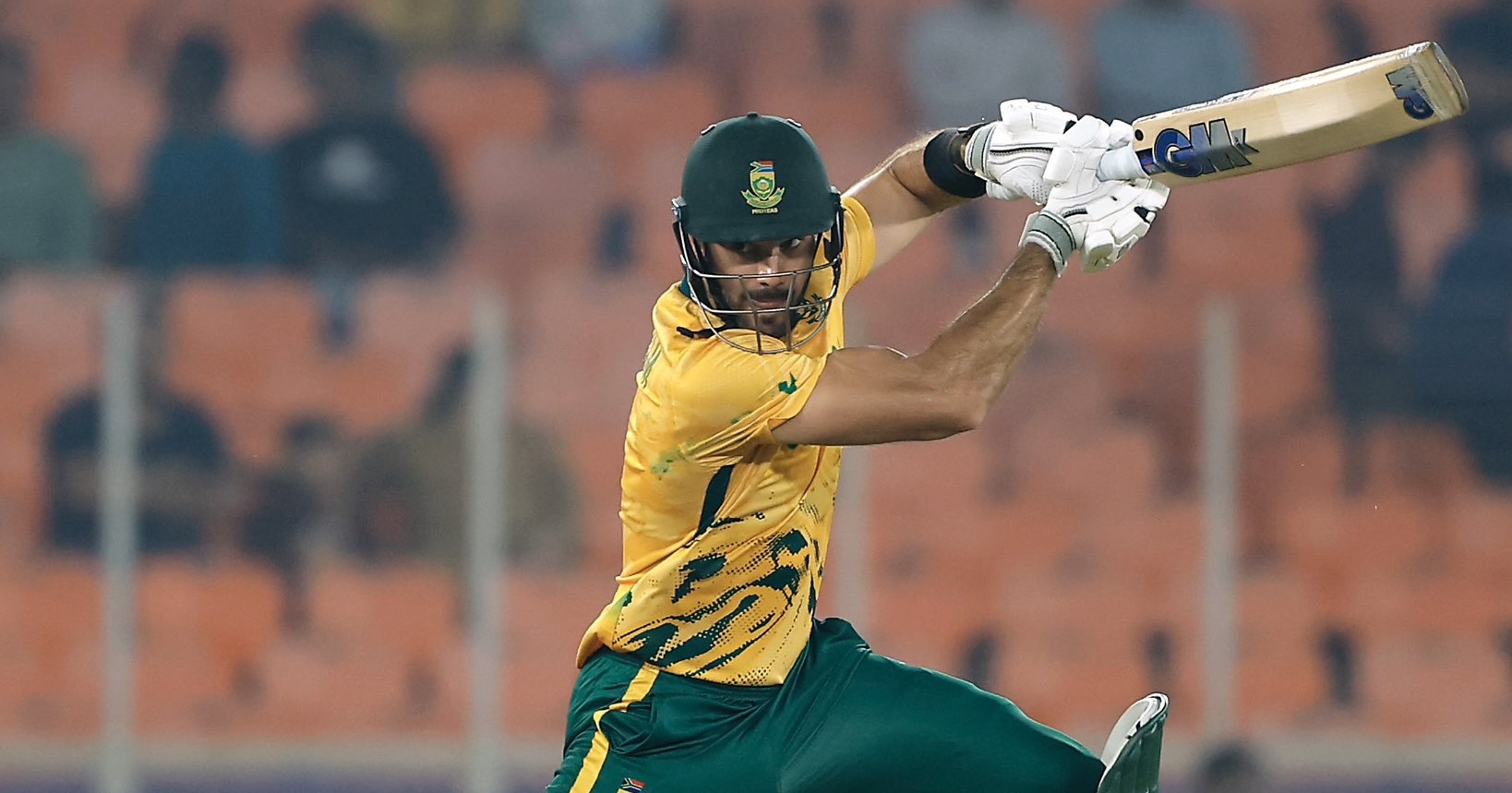
Pic Credit : Aajtak
It’s not entirely just to compare the two—Rahul Dravid is a legendary figure, a cornerstone of India’s illustrious Test era, and one of the best No. 3 batsmen ever seen in cricket. His reliability, technique, and success abroad elevate him to the ranks of the game’s greats.
K. L. Rahul, meanwhile, is a contemporary talent with flashes of brilliance. He is stylish, capable, and impactful at times, but remains a work in progress and yet to establish the unwavering reliability that defines Test greats. If K. L. Rahul doesn’t pull up his socks and rise to the expected standards, he will have to make way for a youngster in the Test team in the near future.
Major Club Communication Enhancements: Keep your club connected, informed, and engaged
If there’s one thing every grassroots club relies on, it’s strong communication. Fixtures change, training plans evolve, volunteers are needed, and members expect quick answers.
When your messages are clear and consistent, people feel involved, and your club feels organised.
That’s why club communication is a core feature of Pitchero. It’s not just about sending updates; it’s about keeping everyone connected to what’s happening and what they need to do next.
Back in 2022, I was at the University of Iowa finishing my PhD when I noticed a force quietly taking over campus: Caitlin Clark.
Over the next couple of years, Clark reshaped women’s college basketball: Viewership exploded with her jaw-dropping 3 pointers, every game was sold out (unfortunately before I could get a ticket), and Iowa reached the Final Four one season and finished as NCAA championship runners-up the next.
After graduation, she was picked up by the WNBA for a whopping…$78,000, far below the value she brought to the league.
Women’s cricket is entering a similar era. India’s World Cup victory has sparked excitement and optimism that the sport may finally see professional growth and meaningful investment.
But as momentum builds, the finances become increasingly important. In my previous article on The Economics of Women’s Cricket, we explored how each cricketing nation is investing in the women’s cricket. In this article, we broaden the scope and ask:
How wide is the gender pay gap across major sports?
Where does cricket sit within that debate?
And most importantly: are women cricketers earning a livable wage that supports a basic standard of living in their countries?
Will the Clark effect translate to cricket? Let’s find out.
Key Takeaways
Nat Sciver-Brunt earns an estimated $931,978 per year, one of the highest for a women’s cricketer (without sponsorships). However, that is less than the highest paid women in tennis, golf, and other sports where players are making $4-10 million annually.
Rishabh Pant and Pat Cummins (~$4-4.5 Million) are among the highest paid cricketers, but their annual salaries are not as competitive as Stephen Curry ($59.6M) or Shohei Ohtani ($70M).
The average international women’s cricketer in Australia, India, England, and New Zealand earns about $100,000-$200,000 a year, while players in Pakistan, Sri Lanka, Bangladesh, and Zimbabwe earn between $2,000-$12,000 per year.
Tennis was the pioneer in pushing for pay parity with the US Open offering equal prize money for both men & women in 1973.
Table of Contents
Embed from Getty Images
Should Women Athletes Be Paid the Same as Men?
When the gender pay debate comes up, there are usually two sides of the debate.
Revenue-proportional pay: Athletes should earn proportional to the amount of money they generate for the league.
Investment-driven growth: Paying athletes fairly strengthens the league, improves quality, and drives revenue over time.
To understand pay in women’s cricket, I’ll compare league revenue, player salaries, and recent investments across team sports like basketball and soccer, and individual sports like tennis and golf.
We also look at Gross National Income (GNI) per capita with Atlas method, a social marker that determines the average income based on GDP, currency exchange rates, inflation, etc. (including income earned outside of the country).
For example, we will be looking at several leagues in the US. It’s good to keep in mind that the GNI of the United States is $83,660 (2024) so we can see how athletes salaries fare in comparison.
League by League Revenue and Salary Breakdown
I read over 110 articles to bring you salary and revenue information from different sports all in one sports.
*Note: Although the NFL is the most profitable league in the US sports market ($20.24 billion), we do not consider it in our analysis since there is no women equivalent of the NFL.
1. Basketball
Pay Disparity:Extremely High
NBA: National Basketball Association, WNBA: Women’s National Basketball Association
The average NBA salary ($11.9M) is over 116 times higher than the average WNBA salary ($102,249).
Even the lowest-paid NBA player makes more than 4 times the highest paid WNBA athlete.
The NBA generates approximately $28.9 million per player, while the WNBA revenue player generates $1.22 million per player.
NBA vs WNBA at a Glance
Category
NBA
WNBA
Founded
1946
1996
Estimated Salary Range
$1.16-$55.76 Million
$66,000-$250,000
Average Salary
$11.9 Million
$102,249
League Revenue
$13 billion (2024)
$180-200 Million (2023)
Salary as % of League Revenue
0.09% (11.9M/13B)
0.05% ($102K/190M)
Number of Teams
30
13
Number of Games/Team
82
34
Average Attendance
18,834/match 22.2 million (total)
10,986/match 3.14 million (total)
Highest Paid Athlete (Men): $59.6 million (Stephen Curry), $304 Million (Jaylen Brown for 5-year contract)
Highest Paid Athlete (Women): $252,450 (Jackie Young on contract extension), $249,244 (Kelsey Mitchell)
Growth Trend and Recent Landmark Changes
Revenue Per Player:
NBA: $28.9 million = ($13 billion league revenue)/(30 teams x 15 players per standard roster
WNBA: $1.22 million = ($190 million)/(13 x 15)
Bottom Line: While salaries remain far below NBA levels, rising media deals and growing brand valuation suggest the WNBA’s momenum may finally be shifting.
Revenue of other Soccer Leagues: EPL ($10.2B), La Liga ($7.9B), Bundesliga ($5.9B), Serie A ($4.8B)
Growth, International Salaries, & Recent Landmark Changes
In 2023, the NWSL signed set of four-year pacts with ESPN, Scripps Sports, Amazon, and CBS totaling $240 million.
The average NWSL team is valued at $104 million.
In 2022, the US Women’s team won a historic equal-pay settlement of $22 million in 2022, divided among 30 players on the USWNT roster (~$733,333 per player).
The USWNT, USMNT (Men’s National Team) CBA came to an agreement to pool FIFA prize money and split it equally (after 10% to US soccer for youth programs). The US Women’s Team has won 4 FIFA World Cups and 5 Olympic golds, while the men have not made it past the quarter-finals in recent history.
According to Forbes, top USWNT players like Alex Morgan and Megan Rapinoe earned around $7 million in 2023, combining on-field and off-field earnings. In contrast, the top male players like Kylian Mbappe, Cristiano Ronaldo, and Lionel Messi earn around $120 million annually.
The prize money for the 2022 Men’s FIFA World Cup was $440 million (for 32 teams) compared to $110 million for the Women’s World Cup.
Revenue per Player:
MLS: $2.86 million = $2.23B/(30 teams x 26 players)
NWSL: $223,000 = $75M/(14 x 24)
Note: MLS has 20 players on the roster with up to 10 supplemental players. Similarly, NWSL has 22 minimum players with up to 4 supplemental players.
Bottom Line: Although NWSL salaries are lower than MLS salaries, the disparity in league salary is nowhere near as extreme as basketball. Culturally, women’s soccer is more popular and the US women’s national team has made strides in pay parity (though other national soccer teams may still face wide gaps).
ATP: Association of Tennis Professionals, WTA: Women’s Tennis Associations
The median earnings for male professional tennis players ($22,362) is lower than for female players ($75,888). This is due to over 1000 professional men players compared to about 550 women.
The prize money for Grand Slams and other tournaments are largely equal.
Highest Paid Athlete (Men): $20.3 million (Jannik Sinner, $47.3 million total with off-court earnings), $13.3 million (Carlos Alcaraz, $48.3 million with off-court earnings)
Highest Paid Athlete (Women): $12.4 million (Aryna Sabalenka, $15 million with off-court), $12.2 million (Coco Gauff, $25 million with off-court)
Prize money for this year’s Roland-Garros will total EUR 49.6m, up 12.3 per cent on 2022. With the aim of ensuring a more even distribution between players, the tournament organisers have significantly increased the prize money for first-round losers in the women’s and men’s… pic.twitter.com/3HC75KlnIP
— Roland-Garros (@rolandgarros) May 12, 2023
Growth Trend and Recent Landmark Changes
In 1973, the US Open became the first Grand Slam to offer equal prize money for both men & women ($25,000 then) after movement driven by Billie Jean King. The other Grand Slams would take a quarter of a century to make the same move: 2001 (Australian Open), 2006 (French Open), 2007 (Wimbledon).
Australian Open offered equal pay in 1984 and reverted to paying the men more in 1996 before going back in 2001.
WTA announced by 2027, there will be a pathway towards full equal prize money and women’s tennis calendar will be revamped.
In 2024, 28 men & 15 women earned at least $2 million. In his career, Novak Djokovic has won more than $190.2 million in prize money alone. Roger Federer is said to have breached the $1 billion mark.
2023 French Open total prize money was $56.8 million (€ 49.6 million). The winner of a Grand Slam, like the US open is about $2.5 million whereas even a first-round loss can yield $100,000.
According to Forbes, the world’s top ten highest paid tennis players made an estimated $285 million (the record was $343 million during the height of Federer-Nadal-Djokovic-Serena Williams).
The US Open’s revenue in 2024 was about $559.6 million. About 3.2 million fans attended the Grand Slams in 2025 (1.1 million – US, 1 million – Australian, 650,000 – French, 550,000 – Wimbledon)
Bottom Line: Prize money in professional tennis is far more balanced than most other sports. While off-court earnings still have large gaps, equal Grand Slam payouts show that both men & women have more equitable financial opportunities for this individual sport.
The average PGA salary (~$1.48M) is nearly seven times the median LPGA salary (~$213K).
Although women golfers are earning up to $6M in recent times, the highest paid male golfers are earning between $60-90M.
PGA vs LPGA at a Glance
Category
PGA
LPGA
Founded
1929
1950
Estimated Salary Range
$6,000-$92 million
$2,300-$6 Million
Average Salary
$1.48 million (2021)
$213,159 (Median 2024)
Winning Prize Money
$4.3 million (US Open) $3.6 million (The Masters) $3.3 million (PGA Championship) $3.1 million (Open Championship)
$2.4 Million (US Open) $487,500 (The Annika)
Highest Paid Athlete (Men): $92 million (Jon Rahm, $102 million including off-course earnings), $67 million (Scottie Scheffler)
Highest Paid Athlete (Women): $4.5 million (Nelly Korda, $12.5 million with off-course)
Growth Trend and Recent Landmark Changes
Tiger Woods’ career earnings total about $120 million with Rory McIlroy closing in at $108 million.
According to Reuters, LIV golf, backed by Saudi funding, has invested about $5 billion over the last couple of years. The organization reportedly offered players like Jon Rahm $300 million to defect from the PGA Tour.
PGA, in response, upped the 2025 season prize money to $366.9 million. Combined with other tournaments, PGA golfers have an opportunity to play for $700 million in a year.
The total prize money for the ladies’ US Open was a $12 million purse and the Memorial PGA tournament was about $20 million. Other tournaments like the Chevron Championship, Evian Championship, and the AIG Women’s Open had a total purse around $8-10 million.
CBS and NBC renewed a 9-year media rights contract in 2022 for about $700 million.
The LPGA is currently in negotiations for a media deal that will put all North American golf matches live on TV. More investment like the ones with FM, U-NEXT deal in Japan is around the corner.
Bottom Line: Despite being around since the 1950s, the gap between top male and female golfers remain among the widest in professional sports.
Fun Fact: MLB has the highest total season attendance of any sports league in the world in 2024 drawing about 71.4 million people.
*AUSL – Athletes Unlimited Softball League
Growth Trend and Recent Landmark Changes
The AUSL earned about $1 million on merchandise alone in its inaugural season with 20 matches sold out.
The MLB has taken about a 20% stake in AUSL.
National Professional Fastpitch (also known as the Women’s Pro Softball League) ran from 2004-2021. The average season salaries were around $3,000.
Although MLB players earn high average salary ($4.66M), they also play the most games (162), which brings their amount per match down to about $28,800.
Bottom Line: Softball players earn a fraction of their MLB counterparts, but the landscape is improving. AUSL is a major upgrade from the now defunct National Professional Fastpitch in terms of investment and support. Meanwhile, the men still have the potential to earn substantial amounts of money both on and off the field.
It was reported that the General Managers, support staff, etc. of PWHL were well paid for the relatively new league.
The NHL and Rogers Communications announced a $11 billion media rights deal in Canada. The NHL also has 7-year deals with Disney & Turner Sports around $200-400 million.
The PWHL signed deals with Fox, Paramount, and other networks.
Premier Hockey Federation, the precursor to the PWHL, paid its players an average of $45,000-$60,000 with top salaries reaching $80,000.
Bottom Line: The pay disparity may look extreme, but PWHL is a new league and is growing rapidly. Only time will tell if it succeeds, but it will take a lot to match a 100-year old NHL league.
There are several sports we did not explore in as great depth, but there have been movement for pay parity in other individual sports as well.
Olympic Stars
UFC (Ultimate Fighting Championship)
UFC fighter Rousey said in 2019, “How much you get paid should have something to do with how much money you bring in. I am the highest paid fighter not because Dana or Lorenzo wanted to do something nice for the ladies. They do it because I bring in the highest numbers. They do it because I make them the most money. I think the money that they make should be proportionate to the money they bring in.”
College Sports, Law Suits, and Miscellaneous
College sports in the US is a separate altogether, but with NIL (Name, Image, and Likeness), college athletes have started to get paid. However, now we are seeing disparity in college pay as well. Men’s basketball players earned an average of $171,272, while the women earned about $16,222 in 2024.
After tennis in 1972, several other individual sports followed equal prize money. By 2004, volleyball and skating offered equal prize money. By 2019, skiing, snowboarding, biking, and even the World Surf League announced equal prize money for both female & men competitors.
Kent State University’s former field hockey coach, Kathleen Wiler, won a $95,000 Equal Pay lawsuit where the university paid her less than the coach of the wrestling team.
The gender pay gap was among the worst in rugby as recently as 2019.
Embed from Getty Images
8. Cricket
Pay Disparity:Moderate
IPL: Indian Premier League, WPL: Women Premier League
The average IPL salary (~$460K) is higher than the highest-paid WPL player ($415K) with IPL players earning on average 5.5 times more than their WPL counterparts.
The revenue per player is approximately $2.7-$3.8 million in the IPL compared to about $816K in the WPL.
Even in the lower-tier cricket nations (Pakistan, Sri Lanka, Bangladesh, Zimbabwe), where salaries are lower, player earnings are still significantly above their countries’ GNI.
Category
IPL
WPL
Founded
2008
2023
Salary Range
$24,000-$3.2 Million
$12,000-$415,000
Average Salary
$459,743 (2023)
$82,522 (2023)
League Revenue
$691.3 Million (5761 Crore INR)
$71.86 Million (637 Crore INR)
Salary as % of League Revenue
0.067%
0.11%
Number of Teams
10
5
Number of Games/Team
14
8
Average Attendance
26,000/match
9,000-13,000/match
Highest Paid Athlete (IPL): $3.21 Million (Rishabh Pant)
Men’s vs Women’s Salaries in Cricket (Country By Country Breakdown)
Australia, England, New Zealand, and India now have equal match fees for both men & women. West Indies has signed a MOU to create a pathway for equal match fees by 2027.
Note that match fees is not the same as equal salary, but it is still a step in the right direction. Match fees is how much a player is paid per match. However, women cricketers do not play as much volume of cricket (for example, NZ have equal match fees for Test cricket but the White Ferns have not played a Test in ages).
Bottom Line: Since 2017, women’s cricket has gained momentum through increased visibility, equal match fees, and the emergency of women’s franchise leagues, important steps toward professionalizing the sport. However, more needs to be done in the lower-tiered country to diminish the gap within women’s cricket. Finally, even though men’s cricketers earn high salaries, it is nowhere in comparison to the MLB or the NBA.
For breakdown for the estimated salary range, refer to our article on Salary of Cricketers (Men’s) from Each of the 12 Nations (2022). For women’s cricket, we just did a salary breakdown in 2025: Economics of Women’s Cricket.
Highest Paid Cricketers
For the highest paid cricketers, we looked at franchise league earnings along with match fees and central contracts. Here is an example of how we calculated Pooran and Klaasen’s earnings.
Country
Men
Women
Australia
$3.6-$4.5 Million (Pat Cummins)
$831,951 (Ash Gardner)
England
$3.5-$3.85 Million (Jos Buttler)
$931,978 (Nat Sciver Brunt)
New Zealand
~$2.29 Million (Daryl Mitchell)
$435,755 (Amelia Kerr)
India
$4-$4.4 Million (Rishabh Pant)
$757,420 (Smriti Mandhana)
West Indies
$3.1-$4.1 Million (Nicholas Pooran)
$269,200 (Deandre Dottin)
South Africa
$3.5-$3.9 Million (Heinrich Klaasen)
$400,000-$480,000 (Marizanne Kapp)
Sri Lanka
$1.6-$1.8 Million (Matheesha Pathirana)
$226,741 (Chamari Athapaththu)
Pakistan
~$750,000 (Babar Azam)
N/A
Bangladesh
$390,000-$410,000 (Mustafizur Rahman)
$17,000-$20,000 (Nigar Sultana)
Ireland
$600,000-$800,000 (Josh Little)
$60,000-$100,000 (Gaby Lewis)
Zimbabwe
$122,000-$516,000 (Sikandar Raza)
N/A
Afghanistan
$2.2-$3.36 million (Rashid Khan)
N/A
Final Thoughts
Women in sports continue to earn far less than their male counterparts, but times are changing. Investment and visibility towards women’s sport is increasing, and so are their salaries.
Caitlin Clark may not get a paycheck close to Steph Curry’s at the moment, but the impact of athletes like Caitlin Clark & Angel Reese, Billie Jean King & Serena Williams, and of course, Harmanpreet Kaur leading India to victory is reshaping the landscape and pushing world sports closer to fair pay.
Sources
Basketball
Forbes – Why No Women Are Among the World’s 50 Highest Paid Athletes in 2025
Sports Illustrated – Average NBA Salary (2024-25), SI – Average WNBA Salary (2025), Hoops Hype (NBA Player Salaries)
NBA Average Attendance (2024), WNBA Average Attendance (2025), WNBA Revenue Estimate
NBC Report on Caitlin Clark and WNBA potentially eclipsing the billion-dollar mark
Berkeley Economic Review, DC Report, Caitlin Clark NCAA, Adelphi University Salary Comparison, Basketball’s Gender Pay Gap, MarketWatch, WNBA League Revenue
We’re inclined to agree with Brendon McCullum that it’s “quite annoying” there’s currently so much focus on the night Harry Brook got chinned by a bouncer. We would however disagree with his assessment that it’s all about the specific players involved and that, “piling on to them is not helpful for anyone.”
We don’t doubt that there’s hand-wringing in the usual places – hand-wringers gonna wring hands – but who’s piling on exactly? To our eyes, the focus is not on the players, but on McCullum and other higher-ups at the ECB, no?
Because ‘young sportsman has wild night out’ isn’t really much of a story, in all honesty. ‘Young England captain has wild night out on the eve of a game against backdrop of wider concerns the head coach might be running a bit of a loose ship’ has more of a hook.
Those concerns don’t need to be 100% legitimate, but they do need to have at least a faint air of truth about them for the story to stick.
Loose ship
"Small or big - take your pick. It doesn't have to be legit. It's gotta be a loose ship. It's gotta be a loose ship."
For what it’s worth, McCullum takes issue with the perceived looseness of his ship. He says it’s a “misconception”.
We’d agree that while there’s certainly evidence some players have drunk too much a couple of times during his three and a half year tenure, we haven’t exactly been washed away by a tsunami of piss-ups. But that’s the other reason the ‘quite annoying’ focus on the Brook thing persists – because the ECB clearly tried to keep this one quiet. In which case, WHAT ELSE ARE THEY HIDING?
This is perhaps the crux of it. If you’re the one who hid something and it then came out, but you know you aren’t hiding anything else, then constantly being asked “What else are you hiding!?” is probably ‘quite annoying’.
At the same time, from the opposite vantage point – where a thing that was hidden subsequently came to light – it’s perfectly natural to wonder if there might be a second, third and fourth thing you haven’t been told about. It’s then ‘quite annoying’ when the people who tried to conceal Thing 1 get all stroppy and demand that you move on.
Of course none of this clears up what should be done with our drunken sailor above and beyond the £30,000 fine he’s already been given.
Hoo-ray and up she rises!
It has to be said that as drunken sailors go, right now Harry Brook is performing perfectly acceptably. We don’t feel any burning desire to rage against the ECB’s decision to deal with him by inviting him to captain England in a T20 World Cup. What else could they do? Put him in the scuppers with a hosepipe on him? Drag him by the leg in a running bowline? Who even knows what those things mean?
Somehow, despite a perception that England’s red and white ball teams are both starting to fall apart under McCullum, the T20 one has in fact won 10 of its last 11 games.
It’s become quite an interesting team too.
Where the Test XI has tightened to right-arm fast-medium monotony, the short format strategy has become a looser fit. Run your finger down the team’s top wicket-takers of the last 12 months (like a literacy-challenged simpleton) and the bowling types progress as follows:
Leg-spin
Slow left-arm
Left-arm fast-medium
Slow left-arm
Left-arm medium
Off spin
Right-arm fast
Lovely stuff. A veritable household of misfits; a team that has won after making 304 for 2 and also when defending 128-9.
It’s a fickle format, of course, and cricket’s sole superpower is in prime form and on home turf for the tournament ahead, which begs the question what is England’s strong recent record actually worth?
Maybe not so much – but it’s better than a taste of the bosun’s rope-end, isn’t it?
A sprightly half-century from captain Aiden Markram followed by handy contributions from multiple others in the top 6 and a disciplined bowling effort have driven South Africa to a commanding 57-run victory against Canada.
Markram got going in the Powerplay, but Quinton de Kock struggled for timing for most of his stay. In the 7th over, Canada skipper Dilpreet Bajwa sent him back, but Ryan Rickelton would keep the score moving along.
The Proteas head honcho reached his 50 from 28 deliveries, but couldn’t add much more when he holed out to long-on off Ansh Patel. The young left-arm wrist spinner would take another two wickets, as Rickelton went back soon after and the dangerous Dewald Brevis fell cheaply.
However, that was all the success for the Canadian bowlers. The returning David Miller and Tristan Stubbs both celebrated their comebacks with rapid 30’s to close out the innings and drive their team past the 200 threshold. Over 70 runs were added in the final 6 overs, and there was no respite for the inexperienced bowling unit.
The momentum was with SA, as Lungi Ngidi burst open the Canadian top-order with 3 wickets in his first two overs. Things went from bad to worse for the men in red, as Kagiso Rabada knocked over Shreyas Movva.
But it wasn’t all doom and gloom, as Navneet Dhaliwal and Harsh Thaker put on a brilliant 69-run stand to revive the innings. The asking rate was out of control, but both right-handers impressed with multiple boundaries all over the ground. It all came to an end when Ngidi returned and foxed Thaker with a slower delivery, but Dhaliwal reached a respectable half-century.
From then onwards, the innings lost steam, as the other pacers returned and made more inroads at the death. Canada had too steep a mountain to climb and couldn’t put up enough of a fight with the bat. But all things considered, this World Cup will be a rewarding experience for the Associate teams, many of whom are no pushovers.
The next match for the Proteas will be against Afghanistan on Wednesday, at the same venue in Ahmedabad.
SA 213/4 in 20 overs (Markram 59, Miller 39*, Stubbs 34* – Ansh Patel 4-0-31-3)
CAN 156/8 in 20 overs (Dhaliwal 64, Thaker 33 – Ngidi 4-0-31-4, Jansen 4-0-30-2)
The veteran all-rounder believes communication and planning have laid the platform for a successful World Cup
When data analysts head to a player auction, they are certain of the areas that need to be filled. After selecting who they deem appropriate players, directives are given, informing each of their roles for the upcoming season. Role clarity—it’s all the rage in T20 cricket these days. And it’s precisely what West Indies all-rounder Jason Holder thinks will push them deep into the ongoing ICC T20 World Cup.
The West Indies were far from perfect despite a 35-run win over Scotland in their opening game in Kolkata, India, on Saturday. However, to win on a less-than-perfect day is a win, according to Holder, who is alert to the significance of peaking in a tournament. “We all know we can improve in each department as we go on,” he said.
An improvement that hinges on there being multiple I’s in this team—on individual brilliance across phases and disciplines. “I think for us, role clarity and role execution are very important.” Holder said.
It’s a sentiment long stressed by Head Coach Daren Sammy and one backed by skipper Shai Hope. The Windies captain has expressed delight at the early success of Shimron Hetmyer’s promotion up the order to give the team a “fast start”.
Hetmyer, however, isn’t the only man on a mission. Holder continued to detail, “Everybody knows what’s required of them. And that’s what we need to do in order to bring together a strong collective effort. So I think the challenge for each individual is to execute their role and bring it together collectively for the team.”
The former Test and One Day International captain has been executing at the international level for over a decade, creating history on Saturday after his 3 for 30 saw him become the first West Indian to claim 100 wickets in all three formats.
While “very happy” with the personal milestone, Holder insists, “We’ve definitely got to touch up in the field. We’ve been letting ourselves down and dropping a few chances. So that’s obviously an area we can improve on. But all in all, I’m really happy with how we started. It’s just really important to continue to build.”
The West Indies next face England on Wednesday morning (9:30 ECT/8:30 JA) at the Wankhede.
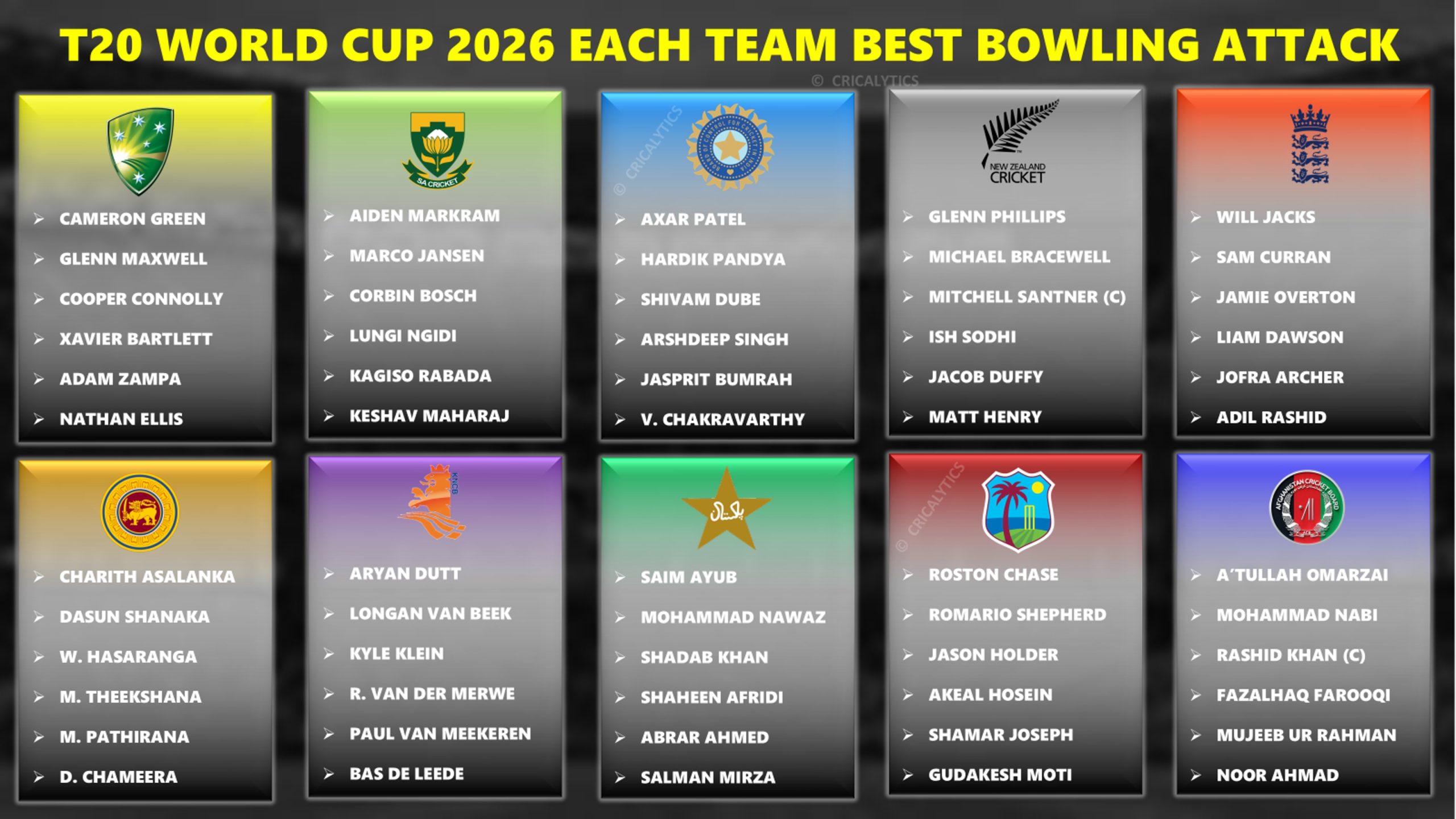
With Team India as the strongest, discover the best bowling attack ranking of each team for the T20 World Cup 2026.
There is often a saying that goes, Batters win your matches, but bowlers win you tournaments. This is an extremely valid statement, as unless you have a solid bowling attack, your success as a whole comes down considerably. A team needs a bowling attack that is capable enough to take 10 wickets in a match, and more often continue taking wickets in a similar fashion throughout the competition. This is only possible when a team has a solid bowling lineup.
The T20 World Cup 2026 shall witness some of the most amazing sets of bowlers in the competition. Right from Varun Chakravarthy and Jasprit Bumrah for Team India, to Jofra Archer and Adil Rashid for England. Mitchell Santner and Jacob Duffy for New Zealand. Shaheen Afridi and Abrar Amed for Pakistan. Adam Zampa and Nathan Ellis for Australia, and many more. The quality of bowlers in the competition is simply outstanding.
But the main question arises, which team has the best bowling attack in the competition? Which team has those 5-6 bowlers that can adapt to any kind of wicket, and are able to get wickets in bulk for your team? Well, let’s analyse the current squad of each team, and then look at the best bowling attack ranking involving six bowlers of each team for the T20 World Cup 2026.
T20 World Cup 2026 Each Team Best Bowling Attack Ranking
#9: West Indies
Roston Chase
Romario Shepherd
Jason Holder
Akeal Hosein
Shamar Joseph
Gudakesh Moti
At number 9, we have the West Indies team, and this shouldn’t even be a surprise. There was a time when the West Indies had bowlers like Sunil Narine, Dwayne Bravo, Samuel Badree, etc. But come 2026, there is not a single threatening bowler in the side. Akeal Hosein is supposedly their best bowler, and the likes of Jason Holder. Shamar Joseph, Gudakesh Moti, Romario Shepherd, etc., are more of supporting bowlers than key wicket-taking options. Hence, overall, the West Indies fall short of the competition when it comes to their bowling attack.
#8: Sri Lanka
Charith Asalanka
Dasun Shanaka (c)
Wanindu Hasaranga
Maheesh Theekshana
Matheesha Pathirana
Dushmantha Chameera
Number 8 belongs to the Sri Lankan team, and they have a couple of wicket-taking options in the side, but as a whole, there are still gaps in the bowling attack. Wanindu Hasaranga and Matheesha Pathirana remain the best assets in the bowling department. Aside from these two, Maheesh Theekshana and Dushmantha Chameera are decent options, and Dasun Shanaka and Charith Asalanka are good from a filler perspective. So, overall, Sri Lanka have a couple of solid bowlers, but lacks the bowling depth that is required.
#7: England
Will Jacks
Sam Curran
Jamie Overton
Liam Dawson
Jofra Archer
Adil Rashid
For number 7, we have the England team, and they are riding a similar boat to Sri Lanka. While Jofra Archer and Adil Rashid remain the best bowlers for England, it’s disappointing to see how the rest of the bowling attack is for England. Sam Curran is a decent bowler, but Liam Dawson, Luke Wood, Will Jacks, and Jacob Bethell don’t inspire much confidence as a bowling unit. So, overall, England will need a lot from the rest of the bowling attack.
#6: Australia
Cameron Green
Glenn Maxwell
Cooper Connolly
Xavier Bartlett
Adam Zampa
Nathan Ellis
Number 6 belongs to the Australian team, and this could as well be a bummer. But what can we say of a bowling lineup that doesn’t have a golden trio, Josh Hazlewood, Pat Cummins, and Mitchell Starc? With injuries to Hazlewood and Cummins, the Aussie bowling attack looks feeble compared to the competition. Adam Zampa remains their best bowler, and it will need a lot of effort from the likes of Nathan Ellis, Xavier Bartlett, Glenn Maxwell, and others.
#5: New Zealand
Glenn Phillips
Michael Bracewell
Mitchell Santner
Ish Sodhi
Jacob Duffy
Matt Henry
Coming to number 5, we have the New Zealand team, and the team does have 2-3 quality bowlers in the side. Mitchell Santner, Jacob Duffy, and Matt Henry are the best three bowlers in the side, with Santner still being their key asset. Whereas Michael Bracewell, Glenn Phillips, and Ish Sodhi are decent options in the side, that is the reason the New Zealand bowling lineup isn’t among the best teams of the competition.
#4: Pakistan
Saim Ayub
Mohammad Nawaz
Shadab Khan
Shaheen Afridi
Abrar Ahmed
Salman Mirza
Coming to number 4, we have a surprise, and it’s the Pakistan team, with a good bowling attack on paper. We can troll Pakistan’s batting as much as we want, but their bowling lineup is competitive. Led by Shaheen Afridi in the pace department, and Abrar Ahmed in the spin department, there are equally competitive rest of the bowling attack involving Saim Ayub, Shadab Khan, Mohammad Nawaz, and Salman Mira. It’s a lineup potent enough to adpat on any kind of wicket.
#3: Afghanistan
Azmatullah Omarzai
Mohammad Nabi
Rashid Khan (c)
Fazalhaq Farooqi
Mujeeb Ur Rahman
Noor Ahmad
Moving on to the top 3, we have the Afghanistan team, and honestly, as much as their batting is still a work in progress, their bowling attack is one of the best in the world. Led by the spin trio, Rashid Khan, Noor Ahmad, and Mujeeb ur Rahman, the Afghan bowling attack is capable enough to adpat on any kind of wicket. And if the pitch offers even the slightest of assistance to the bowlers, the Afghan team is like a Tiger ready to pounce on its prey. In addition to these three, Azmatullah Omarzai, Mohammad Nabi, and Fazalhaq Farooqui are more than competent bowlers.
#2: South Africa
Aiden Markram
Marco Jansen
Corbin Bosch
Lungi Ngidi
Kagiso Rabada
Keshav Maharaj
Now, coming to the top 2, we have the South African bowling attack, and even that looks quite competent on paper. Kagiso Rabada, Lungi Ngidi, and Marco Jansen are solid pace bowlers one can have. Whereas Keshav Maharaj, Aiden Markram, and Corbin Bosch complete the rest of the bowling attack perfectly. It may not be the most perfect bowling lineup like the Indian team, but it is certainly potent enough to be called the 2nd best bowling team in the tournament.
#1: Team India
Axar Patel
Hardik Pandya
Shivam Dube
Arshdeep Singh
Jasprit Bumrah
Varun Chakravarthy
At number one, we have the undisputed kings of bowling attack, the Indian team. It’s so pleasing to the eyes to see that the Indian team bowling looks threatening, and it is undoubtedly the best we have seen in the history of Indian cricket. The trio of Jasprit Bumrah, Varun Chakravarthy, and Arshdeep Singh is a cheat code for any team to have, and when you have Axar Patel, Hardik Pandya, and Shivam Dube as the other bowlers, there is hardly any weakness in the bowling attack.
ALSO READ: T20 World Cup 2026 All Teams Best Batting Lineup Ranking
So, that’s the full best bowling attack ranking of each team for the T20 World Cup 2026. Thanks for reading! Looking at the best bowling attack ranking of each team, which team looks the strongest for the T20 World Cup 2026? Please email your thoughts to business@cricalytics.com.
I think there is some sort of madness at play here. All last night there was the sort of fevered excitement that recalled my time as a child on Christmas Eve, except I was the grumpy parent who had to pay for all the effing presents this time. Outside looking in. People who had their TNT contracts in place, not really caring that the company has just lost its crown jewel and will probably go the way of test match batting, but moaning at the commentators, when Sky hasn’t shown an Ashes tour since KP was in the England team. Or if you hate him, Graham Swann. There’s a choice of two shrinking violets for you. I think cricket lends itself to professional broadcasters, not cricketers who can talk. There’s a huge difference. I have no idea how good the comms were, so I’ll leave it to anyone who cares.
So I first woke up at around 4am. I am a dodgy sleeper, as my wristband tells me most nights, but I had gone a full 4 hours asleep so that is quite rare. I flick on the phone and I see England are 74 for 3. No idea if we won the toss – I don’t miss the stream of Tweets to tell me that from everyone and their mutt – but my first reaction was “not awful”. A quick bleary eyed look to see Crawley was out in the first over. Hey, the last time we won the Ashes overseas we lost a wicket in the first over, (let’s not mention the last time it happened though, Rory). Also noted that Pope had 36 not out and had held the top order together. Hmmm. And Hmmmmmmmmmmm. Joe Root got a duck. Even more hmmmmmmmmmmmmmm.
So I tried to go back to sleep and then started wondering if I’d imagined anything, and the sleep was restless, but I had to get into a rhythm of not staying awake all night. My job is so much harder than the earlier days of the blogging (one of the deals I am working on at the moment made BBC News World page lead – a bit tense – this week) so I need the rest and had another call this morning. But in between dreams of buying bags of crisps at a mythical supermarket at the end of Grove Street, Deptford (analyse that!) where they were giving away free Honey Nut Cornflakes (who is the nut here) I give in and at 7 I pick up the phone.
England (32.5) 172
Australia (4.1) 0/1
WHAT!
172 in 32 overs. Is Smith batting three, Labuschagne opening, where’s Khawaja (answer appeared to be “on the toilet”) and why haven’t they got any runs? Who is Weatherald? How many did Pope get?
I have a call at 9 am, at home, the only thing vital today until my client loses his shit, so stay in bed as it is too cold to get up, and go back into another doze, where I find out that my desire for crisps and honey nut cornflakes meant I forgot the beer, and then wake up to see it is Aussie at 61/4. Hmmm. IS SMITH OUT?????
The live comms says the batsmen are Head and Green. Good. No Smith. Try to doze a bit more. Not getting anywhere, and they are in the 70s now. Doze again, alarm is at 8:30 – the joy of home working – but sleep is difficult. Wake up, and it is 100/6. Er. Game on. Then each time I look another wicket. “ALEXA, what’s the England cricket score. 117/7. It’s 8 by the time the coffee is made. 9 by the time I have finished the call, I switch on BBC Sounds for the last over at 10 to 10.
This made Day 1 at Lord’s 2005 look like the Vicarage Fete. But not by much. That day it was 282 for 17 wickets in 77.2 overs – today it is 295 runs for 19 wickets in 71.5 overs. “C’est l’Ashes, c’est la folie” as might have been said.
I am not going to analyse something I haven’t watched, but will try to catch BBC IPlayer later. From the outside the twitterverse went loony at half-time, and punch drunk and staggering around at close. Probably like my mate who got this as his first day’s test cricket overseas. (Mine? 364 for 2, Nasser’s toss, the Aussie screaming “Wanker” at Matthew Hoggard all day, Simon Jones). If he’s not off his head by the end of the day, he’s not doing it properly.
The tale of the tape is that Mitchell Starc took 7 for 58. Always thought he was a really decent strike bowler, and that others got the plaudits, and he’s been around a while. This is his 101st test? 400+ wickets. Fair player in this era. England contributions was from “Daft As A Brush” Harry Brook with 52, Ollie “Bad Body Language” Pope with 46 and a bang crash 33 from Jamie Smith.
England got a wicket with the second ball of the innings, to dismiss debutant Weatherald, and Ben Stokes came on later on to brush up the middle and lower order, no doubt to be ribbed by Josh Tongue at the end of the day. Our FIVE seamers, almost heresy to the Twitterati, seemed to be the plan here. In the limited comms I heard, Tuffers was going on about how this was perfect for Stokes, a true piece of “after the fact” punditry that I had to admire the brazen cheek of. Next, I am going to tell you that it was a brilliant idea that with four rocket paced seamers, and Greenidge, Richards and Haynes in my line-up, I wouldn’t be preparing dust bowls in the Caribbean.
So basically, glass half empty, rather than my usual “what glass” attitude, the game is still very finely balanced. It is giving me flashbacks of another Ashes opener – Brisbane 1990. Not in pace. England were bowled out for 194 in a snail-paced 78 overs (imagine that!!!!) and England fought back to bowl the hosts out for 152 in a barely quicker – actually less RPO – 63 overs. Let’s not talk about the rest of it, or how Australia ended up winning by 10 wickets now.
So the day is over, and all that remains is to see how the Doorman is taking it. He’s had a pop at Stuart Broad for being his favourite word “sanctimonious”. I don’t think he knows what the word means, but he does love using it. He thinks Mitchell Starc will be filthy for having to bat 2 hours after he’d bowled England out, but I am sure he must have had a shower, or does Doorman know too much about their ablution habits (the Aussies think Poms avoid the soap dish, just ask them). He was a little cocky at the start of the subsidence
Nicely tagging in the ECB, who probably wonder who this frightful fellow is.
He retweeted this bloody con… you get lunch, see one ball, listen to a one eyed commentator who seems one of the few jobless at this point, and then you are turfed out.
I’ve not read this article yet…
I can’t wait.
Post-play….. It’s all gone a bit quiet.
See you tomorrow.
UPDATE…. WE HAVE A DOORMAN SIGHTING! It is as insightful as it is churlish. Did England bowl well, Malcolm. Come on now, you can say it, it won’t hurt. I promise…
So we return to Cricket Central NSW to see NSW breakers take on Queensland Fire for the second match of round 5 of the WNCL. Whispy cirrus clouds skirted the blue sky in a vast contrast to Tuesday’s conditions. Temperatures were set to rise to 37 degrees, which triggered the extra drink break allowances.
Queensland skipper Redmayne again won the toss, but this time decided to have a bat. Queensland had made two changes to their team from Tuesday – Ruby Strange and Nicola Hancock out of the side to make way for Lily Bassingthwaighte and Charli Knott, the latter just back from India.
Queensland batting plans were soon in tatters though, with Lauren Cheatle forcing Georgia Redmayne to nick a delivery to the waiting hands of Anika Learoyd in the slips for a second ball duck in sharp contrast to her century the game before. Cheatle followed this up in her next over by causing Chali Knott to edge a ball, which found the hands of Sarah Coyte at gulley. Leaving Queensland 2/6 in only the third over.
Jess Jonassen joined Mikayla Wrigley at the crease and had to dig in to struggle through the powerplay, with Cheatle continuing to bowl particularly well. Tension lifted as Wrigley managed to get a classic cover drive to the boundary to get her first runs after facing her 20th ball. The batters staged a recovery of sorts until the 21st over when Cheatle made a lot of ground to catch Jonassens’ shot off of Frankie Nicklin’s bowling. Nicklin paired well with Sam Bates during the middle overs to really hold back the run rate. A turn of the screw in the 33rd over was when Nicklin’s bowling took two wickets. First Wrigley, who had shown some resolve, but was stumped going for a big shot to bring up her 50, and had to walk back to the seats with 46 runs. A few balls later Lucy Bourke was out LBW. From here the NSW bowlers didn’t allow for any of the remaining batters to get much of an innings, the run rate fell and slower balls in particular plagued the batters.
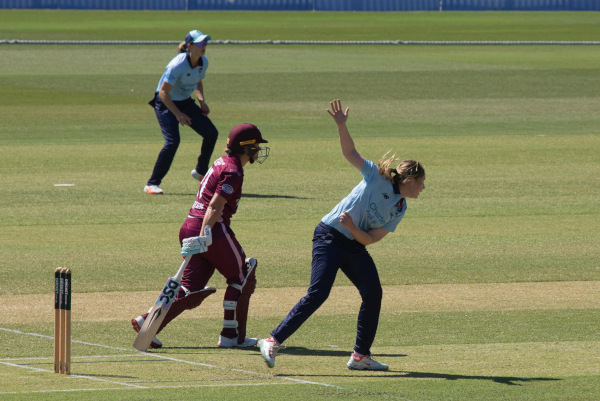
NSW breakers captain Lauren Cheatle delivers a ball, she finished her 10 overs after taking 4 wickets and earned player of the match. Image credit Andy Casely
Queensland struggled to 188 runs for the loss of the last wicket in the 47th over. Tight bowling from all the NSW meant there were good performances all round, Coyte conceded a miserly 20 runs for her 7.4 overs, and Cheatle took 4 wickets in all, only giving up 32 runs for her 10 over campaign.
As the cicadas screamed in the sun, NSW openers Tahlia Wilson and Alyssa Healy strode out to the crease, looking relaxed and hoping not to have to tax themselves too much in the heat to reach the 189 run target. But plans started to go awry in only the 5th over when Healy chipped the ball to the waiting Bonnie Berry at fine leg. This set the scene for a batting innings where, like Queensland, most got a few runs on the board but no-one was able to get a big score. Ellyse Perry went for 23, Katie Mack went for 24 and when Annika Learoyd was run out for 25 the chase began to look on shaky ground at 6 wickets down for 134 runs. Maitlan Brown and Sarah Coyte managed to settle the NSW a bit, by building a 41 run 7th wicket partnership, which included an impressive 6 for Coyte against the wind. The wind had probably aided the loopy spinners, Jonassen, Knott and Grace Parsons as Queensland kept with spin to slow down the NSW run accumulation.
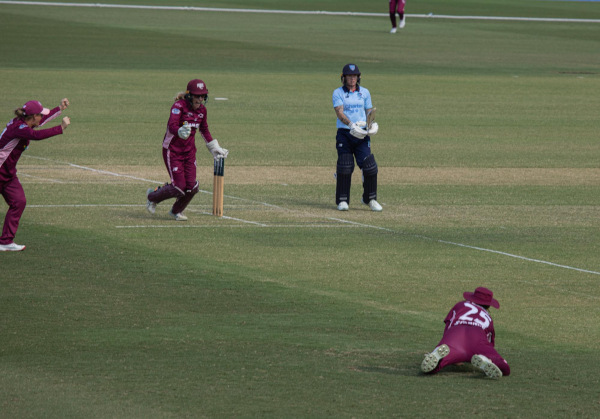
NSW batter Sarah Coyte looks on as Queensland celebrate her wicket, Ruby Strange the substitute field taking the catch. Image credit Andy Casely
Brown and Coyte looked as though they were going to get NSW over the line, only for them both to get out with 24 runs still needed. Brown chipped a ball off Berry’s bowling that found the keeper’s gloves, with Coyte caught off the next over by substitute fielder Ruby Strange at gully. A mix up between Cheatle and Nicklin resulted in Nicklin being run out a few balls later – leaving the Breakers needing 14 runs for their last wicket and spectators chomping their fingernails. Sam Bates worked with captain Cheatle to hold their nerves, against excellent death bowling to creep towards the total, which was reached when Bates squeezed a shot through behind herself to jog through for the last run. Cheatle was named player of the match and with 18 wickets in the season rises to the top of the wicket-taking table for the competition so far.
A successful round for NSW then, as they extended their lead at the top of the standings to 9 points over 2nd place Queensland with two games in hand. Queensland have a bye in the next round and will be nervously watching how South Australia and West Australia fare, as they could still catch them for the finals spot. NSW look pretty comfortable at the top, with one more win in their last four matches needed to secure a finals place.
Helen (Crystallised Cricket) is a writer based in Dharug and Gundagarra country, and here is writing about a game played on Dharug country. She acknowledges the traditional owners of the lands that she writes from.