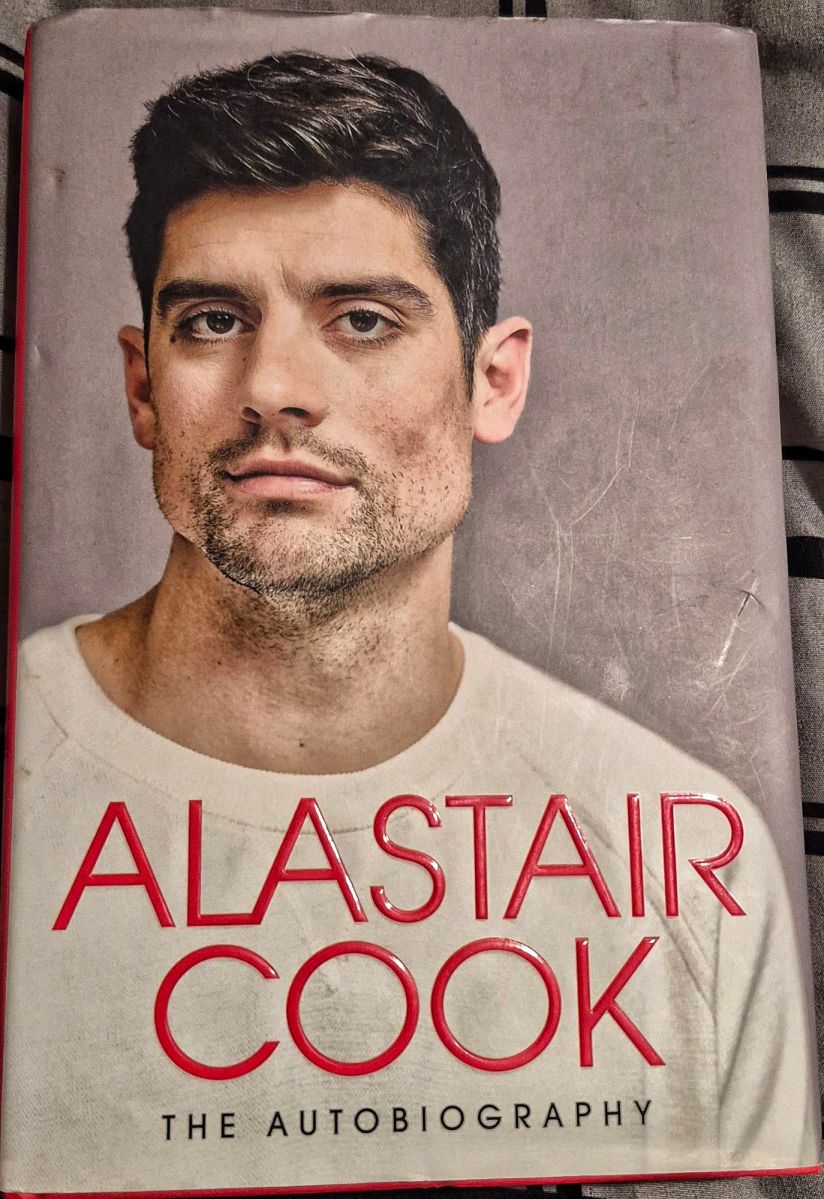
Book Review – The Autobiography by Alastair Cook and Michael Calvin (I presume Newman wasn’t available)
Also available on my review blog called “Stuff”
First up, no chance was I paying full price for this – I got it in a charity shop a while back. I have had it on the book case for a long time, and for some reason I wanted it gone, so I decided to read it. I don’t know, because they were so memorable, whether he’d done one or two ghost written books in the past, but they weren’t classics. They were mid-career, pre-Captaincy drivel where nothing is allowed to be said that might cause the first bit of controversy. They are wastes of time, yet I still buy them.
So this book does not have the excuse of being mid-career for being tripe. But for large swathes of it, it is. My cards are firmly on the table at the start. I don’t like him. Or maybe more accurately, I don’t like what he represented, and it boils down to 2014. I could rehash that all here, but it wouldn’t be the best thing to do. What you might want to read by way of background is the 2014 posts on How Did We Lose In Adelaide, my farewell to his career and his time as captain.
A journo once said to me that the end of career book by Cook would be dull, like a sheep with a brain injury. It’s not quite that dull, but it is a book with so many contradictions that it is scarcely believable. Here is a man who doesn’t look at social media, but is hurt by it. A man who says the buck stopped with him over the Ashes debacle in 2013/14 and then fired someone else. A man who saw the greatest concerted media and establishment campaign I have ever seen for an incumbent captain to protect him, and has the cheek to think his opponents were “well orchestrated”. A man who claims that he was hung out to dry by the ECB, which in some senses he was, but not for the reasons he states, but also was allowed to go two years without a test hundred and no-one could even dare suggest to drop him. A man who wanted to come clean at the time on the KP affair, but in the book comes up with milquetoast reasons questioning motivation and never having the balls to call him a liar. Which he infers, of course.
There are traits in there to admire. As an opener he is the top performer for England in my lifetime, with plenty of double tons, that wonderful series in 2010-11 in Australia, and as impressive in India a couple of years later. I think he was given a hell of a pass as test opener when others failed around him and were dropped, and the ECB having backed him after the Ashes in 2013-14 couldn’t oust him straight away from the ODI side so waited nine months. All his England coaches were good (not a lot on Fletcher), he clearly loves Graham Gooch, and a lot of time for Andy Flower and Peter Moores, but the only player he really takes to task and questions commitment of is Pietersen.
But he pulls those punches. “While he played fantastic innings, and mostly was great, at times when he wasn’t interested he would not hide it, in team meetings and such…” “He ruined Andrew Strauss’ 100th test, but he did go to see them to apologise” (that old bullshit) and while he can be questioned over motives like returning to India after the Mumbai attack (er, Alastair, that was the ECB) so he could play in the IPL, Matt Prior’s strafing of Jonathan Trott’s fielding is totally fine. While KP saw out the tour in 2013-14, being our least worst batsman, Graeme Swann tossing off home midway through was “totally understandable”. I am not daft, KP was probably a real handful. But how would you react on a tour falling apart, your spinner deciding to mail it in and eff off home for Christmas, you play a bad shot to get out, and the captain’s mentor tells you as you walk through the door “shit shot, shit shot”. They had a row. Shit comment, Goochie. Shit comment. Wonder if he did the same to Cook when he holed out 7th ball with a reckless hook shot in the test before…..
It was clear that Cook was threatened by Pietersen and wanted him gone. Fair enough. But that wasn’t the narrative at the time, and he knows it. It was that Cook was a young captain (although he’d been playing tests for 8 years), that there was no alternative (and the press briefed against experienced players who might have been tried – see Ian Bell), and that even though the runs were scarce, his place was never under question. Cook acts as if anyone slagging him off for the Sri Lanka debacle with Mathews and Herath has an agenda (Warne’s criticism of this awful captaincy is couched in being a mate of KP) and yet for someone so downtrodden and victimised, the applause for his 90-odd at Southampton was so very touching. You get my drift.
There’s some good stuff in there about his approach to batting. Some interesting information on team dynamics. There are lots of people who were good friends, effusive about Cook and Broad. But it’s tedious. I skipped the farming chapter, and had some wry amusement when he says he loves shooting, because whenever we showed the picture of him with the dead young deer, his fans went mad at us.
Calvin was as vicious against KP as any journalist at the time, which did make it fairly obvious he might ghost write, as I assume Paul Newman wasn’t available. I hope his own books, which I have a couple of, are better written. Also, I know it is minor, but there are two rubbish errors of fact that just grate. Firstly, Ben Stokes and Jonny Bairstow did not make their massive partnership at Durban, but at Cape Town, which Cook claims to be one of his favourite grounds. Also, Collingwood did not make his hundred to save his career against South Africa in 2008 at Trent Bridge, but at Edgbaston. For a book that oh so passive aggressively has the longest statistical annex I have seen in an autobiography, this is dreadful.
I know. I am unfair. I am the person on that emotional final test, my last day at a test match being Day 1, who did not give him a standing O, did not clap his 50, and yes, was mildly pleased that I didn’t have to see him make a hundred. The second innings ton was made while at a dear friend’s funeral – perspective and all that.
He probably isn’t a bad person, he’s very driven, he made the most of a great career, and he scored a lot of runs and made many people happy. I respect the hell out of him for that, and for him playing for Essex post-test career (he was young to retire at 32). I can see that, and yet blanche at the self pity. To think the groundswell of support for KP post that decision was a carefully orchestrated media plan by well known figures is bollocks. The amount of times I was called a front for Piers Morgan was laughable. I can’t stand the bloke. I was angry because I saw it for what it was. The establishment rallying around their type of bloke. Not the loud-mouthed, brazen, want to be paid superstar who had to be managed. Better to have Gary Ballance than Kevin Pietersen. Well done all concerned.
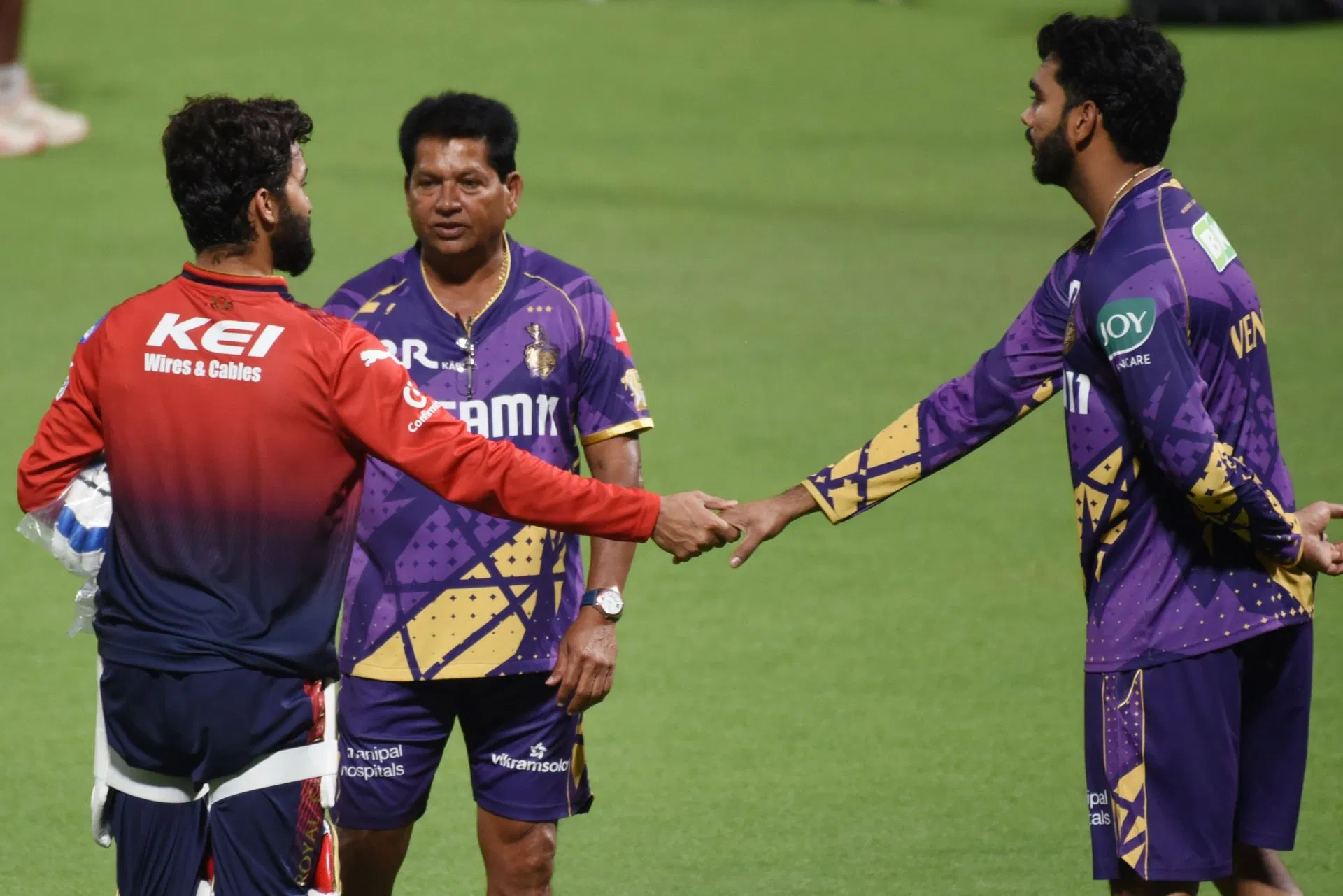
Domestic cricket once again proved its importance as an uncapped IPL signing grabbed headlines with a standout performance in the Ranji Trophy 2025-26 quarterfinal. The bowler, who was bought for a massive ₹8.40 crore, made an immediate statement by dismissing Rajat Patidar and Venkatesh Iyer, two well-known names in Indian cricket.
This performance comes at a crucial time, especially with IPL 2026 approaching and franchises closely monitoring domestic form.
Big Moment for an Uncapped IPL Signing
The Ranji Trophy quarterfinal carried high pressure, yet the uncapped IPL signing showed composure and skill. Bowling with pace and accuracy, he broke through the middle order and removed Rajat Patidar, who has been in excellent domestic form. Soon after, Venkatesh Iyer also fell, leaving the opposition under pressure.
Importantly, these dismissals were not lucky breakthroughs. Instead, they came from disciplined bowling, smart field settings, and consistent execution. As a result, the bowler proved why franchises were willing to invest heavily in him.
Why This Performance Matters Before IPL 2026
Performances like these strengthen the value of domestic cricket. Although the IPL is a T20 tournament, success in longer formats reflects a player’s temperament and adaptability. Therefore, this uncapped IPL signing has sent a strong message to his franchise and selectors alike.
Moreover, delivering under knockout pressure increases confidence and improves chances of early inclusion in the IPL playing XI. With IPL teams focusing more on Indian talent, such displays can significantly shape team strategies.
Impact on Rajat Patidar and Venkatesh Iyer
Rajat Patidar, despite being consistent in domestic cricket, could not capitalize on this opportunity. Meanwhile, Venkatesh Iyer’s dismissal highlighted how even experienced IPL players can be tested in red-ball cricket. However, one match does not define their quality, and both players remain vital assets.
Sumptuous Seven 🔥
Watch 📽️
Rampant Auqib Nabi’s skillful spell of 7/40 against Madhya Pradesh that helped his team take a crucial first-innings lead 👌
Still, this contest underlined the competitive depth of Indian domestic cricket.
What Lies Ahead
As the season progresses, all eyes will be on how this uncapped IPL signing continues to perform. If consistency follows this breakthrough display, he could become one of the most talked-about Indian players heading into IPL 2026.
Ultimately, performances like these reaffirm why strong domestic showings remain the foundation of success at the highest level.
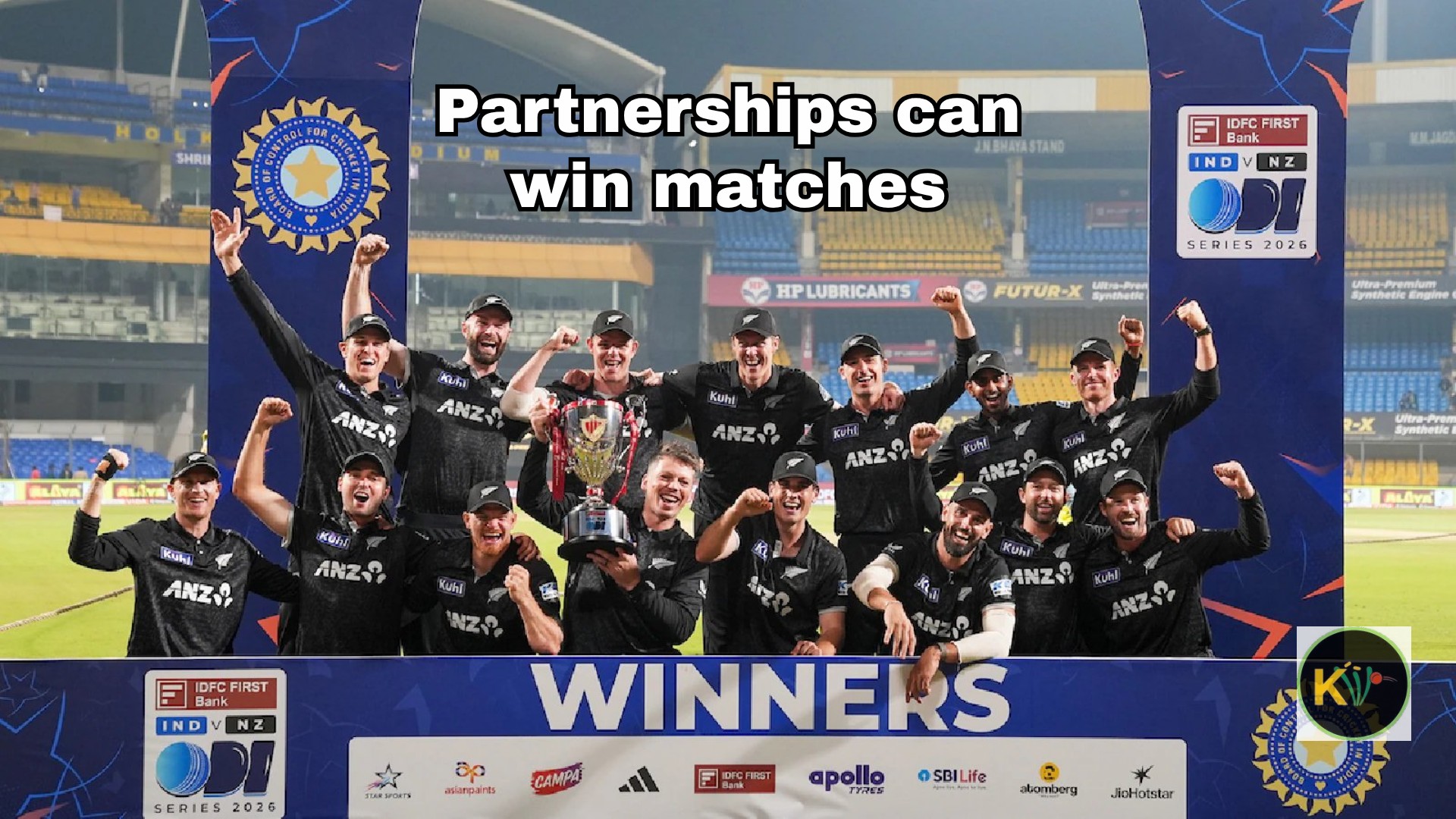
Any cricket fan will enjoy a closely contested match, and the third ODI between India and New Zealand at Holkar Stadium in Indore on January 18, 2026, was a true treat filled with a titanic partnership, a heroic Kohli century, a classic middle-overs battle, and, in the end, a 41-run victory by New Zealand that sealed a historic series on Indian soil. The headline scores (New Zealand 337/8; India 296 all out) tell the story, but the game was won in a few decisions and moments rather than a lengthy sequence of events.
The turning point: the Mitchell–Phillips rescue act
Glenn Phillips (L) and Daryl Mitchell both scored hundreds in a landmark victory for New Zealand (Indranil MUKHERJEE) (Indranil MUKHERJEE/AFP/AFP)
India had New Zealand wobbling early — 58 for 3 — after disciplined new-ball bowling and two good early strikes. Had Kuldeep hit the stumps with a direct throw to get rid of Mitchell, New Zealand would have been in further trouble. What followed was the single decisive passage: Daryl Mitchell and Glenn Phillips putting together a massive 219-run fourth-wicket partnership that moved the game from “India in control” to “New Zealand firmly ahead”. Their partnership erased the early pressure, gave the visitors a psychological victory against India’s attack, and allowed the lower-order batsmen to rotate the strike and then accelerate late without panic. One big partnership can tilt an ODI, and the Kiwis proved it once again in this series.
What made that partnership so vital? Both players complemented each other. Mitchell’s underrated blend of calm timing and placement anchored the innings, while Phillips supplied the fireworks when required. Indian bowlers had their moments of success before and after the stand, but the pair soaked up pressure early and converted it into momentum. By the time India batted, the required run rate and scoreboard pressure were very different from what they would have been if New Zealand had finished around 280–300.
Tactical moves by the captains
After winning the toss, Shubman Gill made a logical decision to bowl first: the Indore pitch had early life, and India wanted to take advantage of home conditions by chasing under lights. The strategy appeared to be successful based on the early strikes and India’s initial command. But New Zealand’s captaincy (on the day Michael Bracewell wasn’t at the helm, the side showed good on-field clarity) focused on patience and backing their middle order. Instead of taking risks with aggressive field shuffles, they had faith in their senior batters to rebuild, and that belief paid off.
India opted for a balanced attack, and Gill made effective use of his seamers early on. India got rewarded with wickets but perhaps misread when to change plans once the Mitchell–Phillips stand had settled. The lack of a bowling change to force a different angle or pace to break that partnership quicker was costly. In the chase, New Zealand persisted with their seam plan and used Jayden Lennox’s accurate off-spin in the middle overs to stem runs—his two overs at a time were tidy and effective—while Zak Foulkes and Kristian Clarke kept striking at the top and back ends. Those bowling moves boxed India into a slow run-rate fight until Kohli tried to take charge.
One underrated performance: Harshit Rana’s two-way contribution
Harshit was an equal with Kohli during their partnership (Courtesy: AP)
Mitchell and Phillips’ tons and Kohli’s 124 will deservedly take centre stage in match coverage. But Harshit Rana’s performance deserves a mention for fans who like the nuances. He was effective with the new ball, and later in the chase he played a quickfire 52 off 43 that revived India’s hopes when the top order had collapsed. That cameo—played with intent and a clever use of the crease— nearly swung momentum back. Far from being merely a cameo, Rana showed the kind of temperament and utility that make him a genuine all-round asset: he provided early bowling strikes and then came in and tried to finish the game with the kind of aggressive clarity teams need in run-chases. Even if they don’t alter the outcome, contributions like that are crucial in a close series.
Why the result happened: four simple reasons
The big partnership — As already noted, the 219-run stand was the match’s axis. It turned a potentially defendable total into a daunting one and shifted pressure onto India’s batters.
Shared bowling contributions from NZ — New Zealand’s bowlers kept chipping in at important times. Zak Foulkes and Kristian Clarke picked up key wickets (three apiece), and Jayden Lennox’s tidy spell kept the middle overs under control. India never had the advantage to start a full-speed chase thanks to their combined efforts.
India’s slow start in the chase — Losing early wickets in a high chase is always a killer. India’s 71 for 4 meant Kohli had to carry the innings through the worst parts of the scoreboard, and although he produced a magnificent 124, the support around him came in patches rather than as continuous partnerships. The innings needed one or two more substantial stands to get past 338.
Timing of wickets — New Zealand struck at moments that hurt the most — early in the chase and then again when partnerships threatened. Dismissing Kohli when he had steadied things and taking a couple more quick wickets late (including a crucial catch off Kristian Clarke) prevented India from building a match-winning finish. Those moments were the small gears that locked the final result.
The bigger picture for both sides
For New Zealand, this was a huge statement: to win a bilateral ODI series in India, you have to be patient, adapt to conditions, and back your plans — they did all three. The Mitchell–Phillips partnership will be studied by teams for how to rescue an innings under pressure. For India, the chase and the partnership breakdowns underline a classic issue: relying on one superstar to marshal the chase rarely suffices at the highest level. Kohli’s ton was exemplary, but cricket is a team game — you need consistent contributions across the order to chase 330-plus.
Closing thought
Fans are reminded by games like Indore 2026 why ODI cricket is still so intriguing: one partnership, one tactical change, or one underappreciated cameo can tip the scales. If you watched for the drama, you left satisfied. If you’re an Indian fan, there’s food for reflection — more planning around breaking big partnerships, perhaps, and clearer contingency plans in the field. For neutral cricket lovers, it was simply a reminder that the middle overs are where the modern 50-over game is won and lost.
(Quick score recap: New Zealand 337/8; India 296 all out — New Zealand won by 41 runs to clinch the series 2–1.)
A simple digital content & communication plan for your club
Most grassroots clubs are great at communicating when they need to. A match is called off, subs are due, or a fundraiser is launching. But outside of those moments, updates can be sporadic. Weeks go by without a post, an email, or a website update.
That’s completely understandable. Clubs are run by volunteers, time is limited, and content can feel like “another job”.
The good news? You don’t need more content. You just need a simple, repeatable plan that keeps members engaged without adding pressure.
This guide outlines a realistic digital content and communication plan that works for busy clubs, and actually makes life easier.
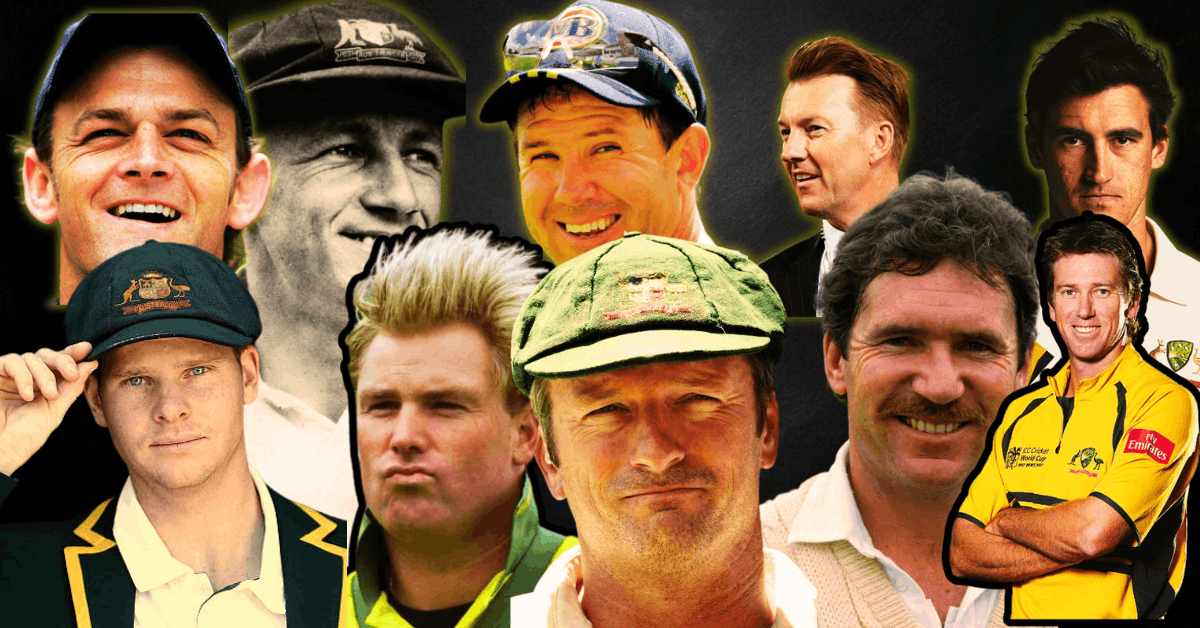
Today, I am going to take on a monumental task. I will attempt to rank 150 years of Australian cricketers across formats and eras.
Six ODI World Cups, a World Test Championship, a T20 World Cup, 30 ICC Hall of Famers, and decades of Ashes dominance, and that’s just scratching the surface.
This is going to spark some serious debate. Let’s get started.
Key Takeaways
Sir Donald Bradman tops the list of the greatest Australian cricketer of all-time. Following up close behind are Ricky Ponting, Shane Warne, Glenn McGrath, Steve Waugh, Allan Border, Steve Smith, Adam Gilchrist, Mitchell Starc, and Keith Miller.
The list of 78 features the following-mix: 32 specialist batters, 20 fast bowlers, 10 all-rounders, 8 wicketkeepers, and8 spinners.
Era-wise, the list includes 33 players who featured after the year 2000, 26 players from the 1950–1990 era, and 19 pioneers from 1877 to 1950.
Table of Contents
Embed from Getty Images
How Did I Rank the Players?
Usman Khawaja has just retired, Mitchell Starc has had an all-timer of an Ashes series, and Travis Head has produced some of the great match-winning innings of all time. It is the perfect time to re-evaluate where they stand in history.
The goal is that the list contains all the contenders for the greatest Australian fast bowlers, spinners, keepers, and batters.
Using the same framework that I used to rank England’s greatest 65 cricketers, I evaluated every player on a 100-point scale. The score is heavily weighted toward Career Stats, Match-Winning Performances, and Big Stage Impact (20 points each), with the remainder split between Longevity, Versatility, Leadership, and Era-specific adjustments to ensure a fair fight between the 1890s and the 2020s.
In the event of a tie, the player with more Test matches is ranked higher.
Top 78 Greatest Australian Cricketers of All-Time (Ranked)
Honorable Mentions
Over 130 Australian cricketers were considered for this list. While I initially aimed to include every Wisden Cricketer of the Year or World Cup hero, the list became stretched out. Below are some impactful players that missed out.
Honorable Mentions: Norm O’Neill, Bert Ironmonger, Ted McDonald, Syd Gregory, Adam Voges, Billy Murdoch, Joe Darling, George Bailey, Tom Moody, Rick McCosker, Herbie Collins, Ian Redpath, Colin Miller, Darren Lehmann, Kim Hughes, Geoff Lawson, Jack Ryder, Chris Rogers, Phil Hughes, Simon Katich, Michael Slater, Terry Alderman, Matthew Wade, Marcus Stoinis, Ian Harvey, Keith Stackpole, Peter Burge, Gil Langley, Jim Burke, George Tribe, Bruce Dooland, Bill Brown, Jack Fingleton, Alan Fairfax, Sid Barnes, Johnny Mullagh (“The WG Grace of Aboriginal cricketers”)
World Cup Heroes & Players with Brief Peaks That Missed Out:
Charles Bannerman: Scored 67% of the runs in the first ever Test when he scored 165*
Gary Gilmour: Most Wickets in the 1975 ODI WC (11)
Alan Turner: Most Runs for Australia in the 1975 ODI WC, 5th most overall
Damien Fleming: Joint 3rd Highest Wicket Taker in 1996 WC
Geoff Allott: Most Wickets in 1999 WC
Andy Bichel: 7/20 in 2003 WC
Geoff Marsh: 3rd Highest Scorer in 1987 ODI WC
Nathan Bracken: Member of 2003/07 WC teams
Shaun Tait: Joint 2nd Highest Wicket-Taker of the 2007 ODI WC (23)
Brad Hogg: 3rd Highest Wicket-Taker of the 2007 ODI WC (21)
Stuart Clark: 12 Wickets (2nd Most) in 2007 ODI WC
Dirk Nannes: 14 Wickets in 2010 T20 WC
James Faulkner: Player of the Match in 2015 WC Final
Possible Future Stars: Scott Boland, Marnus Labuschagne, Alex Carey, Cameron Green, Beau Webster, Michael Neser
51-78: The Emerging & Enduring
This tier includes several wicketkeepers from earlier eras, underrated fast bowlers, and recent World Cup match-winners.
Embed from Getty Images
78. Don Tallon (1946-1953) — 55 Points
Regarded as one of Australia’s great wicket-keepers. The war delayed his international career till he was 30.
Role: Wicketkeeper
Domestic Team: Queensland
Matches: 21 (Tests), 150 (FC)
Runs: 394 (Tests), 6034 (FC)
Hundreds: 0/9 (Test/FC)
Catches/Stumpings: 50/8 (Tests), 302/131 (FC)
Captained Australia? ❌
Notable Achievements: Wisden Cricketer of the Year (1949)
Career Stats (20)
Match-Winning (20)
Big Stage Impact (20)
Longevity (15)
Versatility (10)
Accolades (10)
Leadership (5)
Era Bonus (5)
Fielding Bonus (3)
100-Test Bonus (2)
Total
14
6
14
7
2
6
0
5
3
0
55
Embed from Getty Images
77. Ryan Harris (2009-2015) — 59 Points
Ryan Harris: Took 113 wickets in a short 6-year career including a delivery we will never forget: Ryan Harris to Alastair Cook. If only the knee would have persisted.
Notable Achievements: One of four bowlers to take 100 Test wickets even with a debut after the age of 30
Career Stats (20)
Match-Winning (20)
Big Stage Impact (20)
Longevity (15)
Versatility (10)
Accolades (10)
Leadership (5)
Era Bonus (5)
Fielding Bonus (3)
100-Test Bonus (2)
Total
13
16
16
6
2
4
2
0
0
0
59
Embed from Getty Images
76. Adam Zampa (2016-Present) — 60 Points
Zampa, why is Zampa in the list? It is because he is Australia’s highest T20I wicket-taker by a fair distance. Made an impact in both the 2021 T20 WC and 2023 ODI WC campaigns. Underrated.
Role: Leg Spinner
Domestic Teams: South Australia, New South Wales
Matches: 99 (ODIs), 87 (T20Is)
Wickets: 169 (ODIs), 105 (T20Is)
Bowling Average: 28.05 (ODIs), 22.46 (T20Is)
5-Wicket Hauls: 1/1 (ODIs/T20Is)
Player of Match Awards: 12
Player of Series Awards: 1
World Cup Winner? ✅✅
Captained Australia? ❌
100 Tests? ❌
Notable Achievements: 2nd Most Wickets in 2021 T20 WC (13); 2nd Most Wickets in 2023 ODI WC (23)
Career Stats (20)
Match-Winning (20)
Big Stage Impact (20)
Longevity (15)
Versatility (10)
Accolades (10)
Leadership (5)
Era Bonus (5)
Fielding Bonus (3)
100-Test Bonus (2)
Total
13
15
16
9
2
5
0
0
0
0
60
Embed from Getty Images
75. Stuart MacGill (1998-2008) — 60 Points
For someone who played in the shadows of Shane Warne and did not get regular games, 208 Test wickets is no small feat.
Role: Leg Spinner
Domestic Teams: New South Wales
Matches: 44 (Tests), 3 (ODIs)
Wickets: 208 (Tests), 6 (ODIs)
Bowling Average: 29.02 (Tests), 17.50 (ODIs)
5-Wicket Hauls: 12 (Tests)
Player of Match Awards: 5
Player of Series Awards: 1
World Cup Winner? ❌
Captained Australia? ❌
100 Tests? ❌
Notable Achievements: 7th Fastest in test cricket to 200 wickets; Had a bowling strike rate of 54.0
Career Stats (20)
Match-Winning (20)
Big Stage Impact (20)
Longevity (15)
Versatility (10)
Accolades (10)
Leadership (5)
Era Bonus (5)
Fielding Bonus (3)
100-Test Bonus (2)
Total
16
16
12
9
2
5
0
0
0
0
60
Embed from Getty Images
74. Bert Oldfield (1920-1937) — 60 Points
Arguably the most technically perfect wicketkeeper in Australian history. Even 80 years after his retirement, he holds the record of most stumpings in Test cricket of all-time. Before his cricket career, he was a corporal during WWI and almost died.
Role: Wicketkeeper
Domestic Team: New South Wales
Matches: 54 (Tests), 245 (FC)
Runs: 1427 (Tests), 6135 (FC)
Hundreds: 0/6
Average: 22.65 (Tests), 23.77 (FC)
Catches/Stumpings: 78/52 (Tests), 399/263 (FC)
Captained Australia? ❌
Notable Achievements: Most stumpings in Test cricket
Career Stats (20)
Match-Winning (20)
Big Stage Impact (20)
Longevity (15)
Versatility (10)
Accolades (10)
Leadership (5)
Era Bonus (5)
Fielding Bonus (3)
100-Test Bonus (2)
Total
13
10
10
15
2
2
0
5
3
0
60
Embed from Getty Images
73. Brad Haddin (2001-2015) — 60 Points
Who after Gilchrist? Australia did not need to worry, they were in safe hands with Brad Haddin.
Notable Achievements: Scored 300 runs and inflicted 15 dismissals in Ashes 2013/14
Career Stats (20)
Match-Winning (20)
Big Stage Impact (20)
Longevity (15)
Versatility (10)
Accolades (10)
Leadership (5)
Era Bonus (5)
Fielding Bonus (3)
100-Test Bonus (2)
Total
12
12
10
14
5
2
2
0
3
0
60
Embed from Getty Images
72. Peter Siddle (2008-2019) — 61 Points
Not many cricketers get the honor to take hat-tricks on their birthday. Mostly a 3rd seamer in the attack, Siddle still broke the 200-Test wicket mark. His energy on the cricket field was unmatched.
Notable Achievements: Part of the 2009 Champions Trophy winning squad
Career Stats (20)
Match-Winning (20)
Big Stage Impact (20)
Longevity (15)
Versatility (10)
Accolades (10)
Leadership (5)
Era Bonus (5)
Fielding Bonus (3)
100-Test Bonus (2)
Total
15
13
13
11
3
5
1
0
0
0
61
Embed from Getty Images
71. Jack Blackham (1877-1894) — 65 Points
According to ESPNCricinfo, Blackham “is widely reputed to have been one of the finest cricketers that the nation has ever produced.”
Role: Wicketkeeper
Domestic Teams: Victoria
Matches: 35 (Tests), 275 (FC)
Runs: 800 (Tests), 6395 (FC)
Hundreds: 0/1
Catches/Stumpings: 37/24 (Tests), 274/181 (FC)
Captained Australia? ✅ (8 Matches)
Notable Achievements: Member of Australia Cricket Hall of Fame, Wisden Cricketer of the Year (1891)
Career Stats (20)
Match-Winning (20)
Big Stage Impact (20)
Longevity (15)
Versatility (10)
Accolades (10)
Leadership (5)
Era Bonus (5)
Fielding Bonus (3)
100-Test Bonus (2)
Total
10
10
10
15
2
6
4
5
3
0
65
Embed from Getty Images
70. JJ Ferris (1887-1892) — 65 Points
Although he played 9 Tests (8 for Australia, 1 for England), he has the second best bowling strike rate (37.73) and average (12.70) of all-time behind England’s George Lohmann.
Role: Left Arm Swing
Domestic Team: New South Wales
Matches: 9 (Tests), 198 (FC)
Wickets: 61 (Tests), 812 (FC)
Bowling Average: 12.70 (Tests), 17.54 (FC)
5-Wicket Hauls: 6/63 (Test/FC)
Captained Australia? ❌
100 Tests? ❌
Notable Achievements: Best bowling strike rate and average for an Australian bowler; Wisden Cricketer of the Year (1889)
Career Stats (20)
Match-Winning (20)
Big Stage Impact (20)
Longevity (15)
Versatility (10)
Accolades (10)
Leadership (5)
Era Bonus (5)
Fielding Bonus (3)
100-Test Bonus (2)
Total
18
15
15
3
2
5
2
5
0
0
65
Embed from Getty Images
69. Wally Grout (1957-1966) — 65 Points
Known as “The Voice” for his constant chatter, Grout was a livewire wicketkeeper whose “grizzling” grit and sharp reflexes made him the heart of Australia’s golden era under Richie Benaud. Grout once refused to run-out Titmus since he had slipped while running between the wickets. In his Wisden obituary, Bob Simpson mentioned, ‘He was the greatest wicket-keeper I ever saw.’
Role: Wicketkeeper
Domestic Teams: Queensland
Matches: 51 (Tests), 100 (FC)
Runs: 890 (Tests), 2824 (FC)
Average: 15.08 (Tests), 23.93 (FC)
Catches/Stumpings: 163/24 (Tests), 473/114 (FC)
Captained Australia? ❌
100 Tests? ❌
Notable Achievements: Member of Australia Cricket Hall of Fame; Australia did not lose a Test series while he played
Career Stats (20)
Match-Winning (20)
Big Stage Impact (20)
Longevity (15)
Versatility (10)
Accolades (10)
Leadership (5)
Era Bonus (5)
Fielding Bonus (3)
100-Test Bonus (2)
Total
15
12
12
9
5
5
0
4
3
0
65
Embed from Getty Images
68. Merv Hughes (1985-1994) — 65 Points
Owner of cricket’s greatest moustache and a lion-hearted competitor who became a beloved icon of the Border/Taylor era.
Role: Fast Bowler
Domestic Teams: Victoria
Matches: 53 (Tests), 33 (ODIs)
Wickets: 212 (Tests), 38 (ODIs)
Bowling Average: 28.38 (Tests), 29.34 (ODIs)
5-Wicket Hauls: 7/0 (Tests/ODIs)
Player of Match Awards: 2
Player of Series Awards: 0
World Cup Winner? ❌
Captained Australia? ❌
100 Tests? ❌
Notable Achievements: Member of Australia Cricket Hall of Fame
Career Stats (20)
Match-Winning (20)
Big Stage Impact (20)
Longevity (15)
Versatility (10)
Accolades (10)
Leadership (5)
Era Bonus (5)
Fielding Bonus (3)
100-Test Bonus (2)
Total
15
14
14
9
4
6
0
3
0
0
65
Embed from Getty Images
67. Jack Gregory (1920-1928) — 66 Points
Revolutionized the game with terrifying pace and explosive batting.
Role: Fast Bowler / All-Rounder
Domestic Teams: New South Wales
Matches: 24 (Tests), 129 (FC)
Wickets: 85 (Tests), 492 (FC)
Bowling Average: 31.15 (Tests), 20.99 (FC)
Runs: 1146 (Tests), 5678 (FC)
Batting Average: 36.96 (Tests), 31.37 (FC)
Captained Australia? ❌
100 Tests? ❌
Notable Achievements: Wisden Cricketer of the Year (1922)
Career Stats (20)
Match-Winning (20)
Big Stage Impact (20)
Longevity (15)
Versatility (10)
Accolades (10)
Leadership (5)
Era Bonus (5)
Fielding Bonus (3)
100-Test Bonus (2)
Total
10
14
14
8
9
6
0
5
0
0
66
Embed from Getty Images
66. Bill Johnston (1947-1955) — 66 Points
The spearhead of the 1948 “Invincibles” tour, famous for his incredible versatility in switching between left-arm pace and spin.
Role: Left-Arm Fast-Medium
Domestic Teams: Victoria
Matches: 40 (Tests), 142 (FC)
Wickets: 160 (Tests), 554 (FC)
Bowling Average: 23.91 (Tests), 23.35 (FC)
5-Wicket Hauls: 7/29 (Test/FC)
Captained Australia? ❌
100 Tests? ❌
Notable Achievements: Wisden Cricketer of the Year (1949)
Career Stats (20)
Match-Winning (20)
Big Stage Impact (20)
Longevity (15)
Versatility (10)
Accolades (10)
Leadership (5)
Era Bonus (5)
Fielding Bonus (3)
100-Test Bonus (2)
Total
16
14
14
9
2
6
0
5
0
0
66
Embed from Getty Images
65. Graham ‘Garth’ McKenzie (1961-1971) — 67 Points
Between Alan Davidson and Dennis Lillee, there was Garth McKenzie who flew Australia’s fast bowling flag high.Played his last Test at the age of 29 for a County contract, falling two short of Richie Benaud’s 248 Test wickets, Australia’s record at that time.
Role: Fast Bowler
Domestic Teams: Western Australia, Leicestershire
Matches: 60 (Tests), 383 (FC)
Wickets: 246 (Tests), 1219 (FC)
Bowling Average: 29.78 (Tests), 26.96 (FC)
5-Wicket Hauls: 16/49 (Test/FC)
Captained Australia? ❌
Notable Achievements: Member of Australia Cricket Hall of Fame, Wisden Cricketer of the Year (1965)
Career Stats (20)
Match-Winning (20)
Big Stage Impact (20)
Longevity (15)
Versatility (10)
Accolades (10)
Leadership (5)
Era Bonus (5)
Fielding Bonus (3)
100-Test Bonus (2)
Total
16
14
14
10
3
6
0
4
0
0
67
Embed from Getty Images
64. Jason Gillespie (1996-2006) — 67 Points
He was a great fast bowler and had a beautiful action. Part of the one of the finest bowling line ups in world cricket. However, he will go down in cricket history as the man who scored 201* after being sent in as a night watchman.
Notable Achievements: First Aboriginal cricketer to play Test cricket paving the way for future generations
Career Stats (20)
Match-Winning (20)
Big Stage Impact (20)
Longevity (15)
Versatility (10)
Accolades (10)
Leadership (5)
Era Bonus (5)
Fielding Bonus (3)
100-Test Bonus (2)
Total
17
15
15
10
6
4
0
0
0
0
67
Embed from Getty Images
63. Usman Khawaja (2011-2026) — 67 Points
Did Khawaja live up to his potential? Maybe, maybe not. But he was an important Australian cricketer, both on and off the field. In a tough era for opening batters, he became one of the standouts. Will forever be remember for his 9-hour marathon in Dubaito save a Test. The man of many comebacks.
Notable Achievements: Wisden Cricketer of the Year (2024)
Career Stats (20)
Match-Winning (20)
Big Stage Impact (20)
Longevity (15)
Versatility (10)
Accolades (10)
Leadership (5)
Era Bonus (5)
Fielding Bonus (3)
100-Test Bonus (2)
Total
16
16
12
8
5
4
2
0
1
0
67
Embed from Getty Images
62. Bill Woodfull (1926-1934) — 68 Points
The “Unshakeable” captain during the Bodyline series who led with immense moral courage and technical grit against the most controversial tactics in history. Known as ‘The Rock’ for his temperament. Died while playing golf.
Role: Top Order Batter
Domestic Teams: Victoria
Matches: 35 (Tests), 174 (FC)
Runs: 2300 (Tests), 13388 (FC)
Average: 46.00 (Tests), 64.99 (FC)
Hundreds: 7/49 (Test/FC)
Captained Australia? ✅
100 Tests? ❌
Notable Achievements: Wisden Cricketer of the Year (1927); Member of Australia Cricket Hall of Fame; 7th highest FC average of all-time
Career Stats (20)
Match-Winning (20)
Big Stage Impact (20)
Longevity (15)
Versatility (10)
Accolades (10)
Leadership (5)
Era Bonus (5)
Fielding Bonus (3)
100-Test Bonus (2)
Total
16
12
14
8
2
6
5
5
0
0
68
Embed from Getty Images
61. Aaron Finch (2011-2022) — 69 Points
A pioneer in T20 cricket. Led Australia to their first T20 World Cup victory, a format where Australia had languished behind the rest of the world for 15 years.
Role: Top Order Batter; Part-Time Left Arm Spinner
Notable Achievements: Has highest scores of 172 and 156 in T20Is; 11th most career T20I runs; 3rd Most matches as captain in T20Is; 2nd Most runs in T20I for Australia
Career Stats (20)
Match-Winning (20)
Big Stage Impact (20)
Longevity (15)
Versatility (10)
Accolades (10)
Leadership (5)
Era Bonus (5)
Fielding Bonus (3)
100-Test Bonus (2)
Total
13
16
14
11
5
4
5
0
1
0
69
Embed from Getty Images
60. Lindsay Hassett (1938-1953) — 69 Points
Master of footwork and timing who led the post-War transition with a sense of humor and technical grace. Averaged 58.24 in First Class cricket.
Role: Top Order Batter
Domestic Teams: Victoria
Matches: 43 (Tests), 216 (FC)
Runs: 3073 (Tests), 16890 (FC)
Average: 46.56 (Tests), 58.24 (FC)
Hundreds: 10 (Tests), 59 (FC)
Captained Australia? ✅
100 Tests? ❌
Notable Achievements: Wisden Cricketer of the Year (1949); Member of Australia Cricket Hall of Fame
Career Stats (20)
Match-Winning (20)
Big Stage Impact (20)
Longevity (15)
Versatility (10)
Accolades (10)
Leadership (5)
Era Bonus (5)
Fielding Bonus (3)
100-Test Bonus (2)
Total
13
11
12
15
2
6
5
5
0
0
69
Embed from Getty Images
59. Glenn Maxwell (2012-Present) — 70 Points
Does Maxwell even deserve to be in this list? Known for his X-factor and innovation, he had a rather up and down career. But when he did deliver, he was second to none. It all came together in the 2023 ODI World Cup against Afghanistan, when he produced the greatest World Cup innings of all-time. On one-leg.
World Cup Winner? ✅✅✅ (2015 ODI, 2021 T20, 2023 ODI)
Captained Australia? ✅ (T20Is)
100 Tests? ❌
Notable Achievements: 2nd Highest career ODI SR; Highest Individual score from #6 in ODIs
Career Stats (20)
Match-Winning (20)
Big Stage Impact (20)
Longevity (15)
Versatility (10)
Accolades (10)
Leadership (5)
Era Bonus (5)
Fielding Bonus (3)
100-Test Bonus (2)
Total
10
16
16
13
9
4
0
0
2
0
70
Embed from Getty Images
58. Mitchell Marsh (2011-Present) — 70 Points
After years of disappointing the Australian public, he finally lived up to his potential during the 2021 World Cup Final. On his best days, Mitchell Marsh is a true match-winner. A funny bloke too.
World Cup Winner? ✅✅✅ (2015 ODI, 2023 ODI, 2021 T20)
Captained Australia? ✅ (T20Is)
100 Tests? ❌
Notable Achievements: Allan Border Medal (2024); Player of the Match – 2021 WC Final; Best of 177* from #5 in ODIs
Career Stats (20)
Match-Winning (20)
Big Stage Impact (20)
Longevity (15)
Versatility (10)
Accolades (10)
Leadership (5)
Era Bonus (5)
Fielding Bonus (3)
100-Test Bonus (2)
Total
10
15
15
14
8
4
4
0
0
0
70
57. Bill Ponsford (1924-1934) — 71 Points
If Bradman was Mozart, then Ponsford was Salieri. Apart from Brian Lara, only Ponsford has the distinction of two quadruple first-class centuries with 429 & 437.
Role: Top Order Batter
Domestic Teams: Victoria
Matches: 29 (Tests), 162 (FC)
Runs: 2122 (Tests), 13819 (FC)
Average: 48.22 (Tests), 65.18 (FC)
Hundreds: 7/47 (Test/FC)
Captained Australia? ❌
100 Tests? ❌
Notable Achievements: Wisden Leading Cricketer of the Year (1927), Wisden Cricketer of the Year (1935); Member of Australia Cricket Hall of Fame; 6th highest FC average of all-time
Career Stats (20)
Match-Winning (20)
Big Stage Impact (20)
Longevity (15)
Versatility (10)
Accolades (10)
Leadership (5)
Era Bonus (5)
Fielding Bonus (3)
100-Test Bonus (2)
Total
17
15
16
10
2
6
0
5
0
0
71
Embed from Getty Images
56. Arthur Morris (1946-1955) — 71 Points
One of the greatest left-handed Test batters Australia produced, Morris combined technical brilliance with a calm temperament to become one of the game’s most respected run-getters. Averaged 53.78 away compared to 41.18 at home.
Role: Top Order Batter
Domestic Teams: New South Wales
Matches: 46 (Tests), 162 (FC)
Runs: 3533 (Tests), 12614 (FC)
Average: 46.48 (Tests), 53.67 (FC)
Hundreds: 12/46 (Test/FC)
Captained Australia? ✅ (2 Matches)
100 Tests? ❌
Notable Achievements: Wisden Cricketer of the Year (1949); Member of Australia Cricket Hall of Fame; Member of ICC Hall of Fame
Career Stats (20)
Match-Winning (20)
Big Stage Impact (20)
Longevity (15)
Versatility (10)
Accolades (10)
Leadership (5)
Era Bonus (5)
Fielding Bonus (3)
100-Test Bonus (2)
Total
17
15
16
9
2
6
1
5
0
0
71
Embed from Getty Images
55. Craig McDermott (1984-1996) — 71 Points
McDermott was the premier strike bowler of the late 80s and early 90s, renowned for his rhythmic, textbook action and lethal outswing. His pivotal role in the 1987 WC and 1990-91 Ashes cemented his place as an elite quick bowler of the era.
Role: Fast Bowler
Domestic Teams: Queensland
Matches: 71 (Tests), 138 (ODIs)
Wickets: 291 (Tests), 203 (ODIs)
Bowling Average: 28.63 (Tests), 24.71 (ODIs)
5-Wicket Hauls: 14/1 (Tests/ODIs)
Player of Match Awards: 8
Player of Series Awards: 3
World Cup Winner? ✅ (1987)
Captained Australia? ❌
100 Tests? ❌
Notable Achievements: Most Wickets in the 1987 ODI World Cup (18); Member of Australia Cricket Hall of Fame
Career Stats (20)
Match-Winning (20)
Big Stage Impact (20)
Longevity (15)
Versatility (10)
Accolades (10)
Leadership (5)
Era Bonus (5)
Fielding Bonus (3)
100-Test Bonus (2)
Total
16
16
16
12
2
7
2
0
0
0
71
Embed from Getty Images
54. Justin Langer (1993-2007) — 71 Points
A gritty, determined fighter who formed one half of Australia’s most prolific opening partnership and personified the “never-say-die” spirit.
Role: Top Order Batter
Domestic Teams: Western Australia
Matches: 105 (Tests), 8 (ODIs)
Runs: 7696 (Tests), 160 (ODIs)
Average: 45.27 (Tests), 32.00 (ODIs)
Hundreds: 23 (Tests)
Player of Match Awards: 8
Player of Series Awards: 2
World Cup Winner? ❌
Captained Australia? ❌
100 Tests? ✅
Notable Achievements: Member of Australia Cricket Hall of Fame
Career Stats (20)
Match-Winning (20)
Big Stage Impact (20)
Longevity (15)
Versatility (10)
Accolades (10)
Leadership (5)
Era Bonus (5)
Fielding Bonus (3)
100-Test Bonus (2)
Total
15
12
15
14
3
6
1
2
1
2
71
Embed from Getty Images
53. Dean Jones (1984-1994) — 72 Points
ESPNCricinfo said it best, “Dean Jones wrote the book on one-day cricket.”
Role: Top Order Batter
Domestic Teams: Victoria
Matches: 52 (Tests), 164 (ODIs)
Runs: 3631 (Tests), 6068 (ODIs)
Average: 46.55 (Tests), 44.61 (ODIs)
Hundreds: 11/7 (Tests/ODIs)
Player of Match Awards: 22
Player of Series Awards: 0
World Cup Winner? ✅ (1987)
Captained Australia? ❌
100 Tests? ❌
Notable Achievements: Wisden Cricketer of the Year (1990); Member of Australia Cricket Hall of Fame
Career Stats (20)
Match-Winning (20)
Big Stage Impact (20)
Longevity (15)
Versatility (10)
Accolades (10)
Leadership (5)
Era Bonus (5)
Fielding Bonus (3)
100-Test Bonus (2)
Total
15
17
17
10
5
5
0
3
0
0
72
Embed from Getty Images
52. Bill Lawry (1961-1971) — 72 Points
An immovable opening batter who specialized in blunting the world’s fastest attacks, Lawry’s legendary defensive grit and stoic leadership provided the backbone of Australia’s top order for a decade before he became the iconic voice of the summer. Averaged 47 as a Test opener.
Role: Top Order Batter
Domestic Teams: Victoria
Matches: 67 (Tests), 1 (ODIs), 249 (FC)
Runs: 5234 (Tests), 27 (ODIs), 18734 (FC)
Average: 47.15 (Tests), 27.00 (ODIs), 50.90 (FC)
Hundreds: 13/50 (Test/FC)
Captained Australia? ✅
100 Tests? ❌
Notable Achievements: Wisden Cricketer of the Year (1962); Member of Australia Cricket Hall of Fame
Career Stats (20)
Match-Winning (20)
Big Stage Impact (20)
Longevity (15)
Versatility (10)
Accolades (10)
Leadership (5)
Era Bonus (5)
Fielding Bonus (3)
100-Test Bonus (2)
Total
14
16
15
10
2
6
5
4
0
0
72
Embed from Getty Images
51. Damien Martyn (1992-2006) — 73 Points
The quiet assassin of the 2000s who possessed arguably the most exquisite cover drive in Australian history.Effortless, silken timing.
Notable Achievements: Wisden Cricketer of the Year (2002); Highest Scorer for Australia in the 2006 Champions Trophy
Career Stats (20)
Match-Winning (20)
Big Stage Impact (20)
Longevity (15)
Versatility (10)
Accolades (10)
Leadership (5)
Era Bonus (5)
Fielding Bonus (3)
100-Test Bonus (2)
Total
15
17
15
14
4
5
0
2
1
0
73
26-50: The Elite Match-Winners
When pressure was the highest and the game as on the line, these were the players Australia turned to. Clutch, clinical, and fiercely competitive.
Embed from Getty Images
50. Doug Walters (1965-1981) — 73 Points
The Australia-West Indies series of 1968-69 had Walters’ stamp of authority, where he scored 699 runs at 116.50 with 4 hundreds at 2 fifties.
Role: Top Order Batter, Part-Time Medium Pace
Domestic Teams: New South Wales
Matches: 74 (Tests), 28 (ODIs), 258 (FC)
Runs: 5357 (Tests), 513 (ODIs), 16180 (FC)
Average: 48.26 (Tests), 28.50 (ODIs), 43.84 (FC)
Hundreds: 15/0/45 (Tests/ODIs/FC)
Player of Match Awards: 2 (1 batsman of the match, 1 fielder of the match)
Captained Australia? ❌
Notable Achievements: Member of Australia Cricket Hall of Fame, Member of the 1975 ODI World Cup team that reached the Finals
Career Stats (20)
Match-Winning (20)
Big Stage Impact (20)
Longevity (15)
Versatility (10)
Accolades (10)
Leadership (5)
Era Bonus (5)
Fielding Bonus (3)
100-Test Bonus (2)
Total
16
14
13
15
6
5
0
4
0
0
73
Also Read: Dean Jones: A Celebration of LIfe
Embed from Getty Images
49. Michael Bevan (1994-2004) — 74 Points
With 46 fifties and 67 not-outs, Michael Bevan was the original “Finisher” who turned the art of the ODI chase into a cold, calculated science. With nerves of steel and an unmatched ability to find the gaps, he consistently pulled off miracles when victory seemed impossible.
Role: Middle Order Batter
Domestic Teams: New South Wales, Tasmania
Matches: 18 (Tests), 232 (ODIs)
Runs: 785 (Tests), 6912 (ODIs)
Average: 29.07 (Tests), 53.58 (ODIs)
Hundreds: 0/6 (Tests/ODIs)
Player of Match Awards: 13
Player of Series Awards: 1
World Cup Winner? ✅✅ (1999, 2003)
Captained Australia? ❌
100 Tests? ❌
Notable Achievements: Member of Australia Cricket Hall of Fame; Member of the 5000 ODI runs and 50 dismissals club; 8th highest ODI career average (53.58) and highest of any player in his era
Career Stats (20)
Match-Winning (20)
Big Stage Impact (20)
Longevity (15)
Versatility (10)
Accolades (10)
Leadership (5)
Era Bonus (5)
Fielding Bonus (3)
100-Test Bonus (2)
Total
16
18
17
10
4
5
0
2
2
0
74
Embed from Getty Images
48. David Boon (1984-1996) — 72 Points
Gritty heart of Australia’s 80s and 90s resurgence, famously immovable at both the crease and short leg. Allegedly had 52 cans of beer on a flight from Australia to England.
Role: Top Order Batter
Domestic Team: Tasmania
Matches: 107 (Tests), 181 (ODIs)
Runs: 7422 (Tests), 5964 (ODIs)
Average: 43.65 (Tests), 37.04 (ODIs)
Hundreds: 21/5 (Tests/ODIs)
Captained Australia? ❌
Player of Match Awards: 15
Player of Series Awards: 5
World Cup Winner? ✅
100 Tests? ✅
Notable Achivements: Player of the Match in the 1987 WC Final; 2nd Highest Run-Scorer in the 1987 ODI World Cup (highest for Australia); 4th Highest Run-Scorer of 1992 WC (Highest for Australia), Wisden Cricketer of the Year (1994); Member of Australia Cricket Hall of Fame
Career Stats (20)
Match-Winning (20)
Big Stage Impact (20)
Longevity (15)
Versatility (10)
Accolades (10)
Leadership (5)
Era Bonus (5)
Fielding Bonus (3)
100-Test Bonus (2)
Total
16
18
17
12
2
7
0
0
0
2
74
Embed from Getty Images
47. George Giffen (1881-1896) — 75 Points
The “Grace of Australia” and the nation’s first true colossus of the game. As a giant all-rounder who could carry an entire team, he was the foundational superstar of the late 19th century.
Role: All-Rounder
Domestic Teams: South Australia
Matches: 31 (Tests), 251 (FC)
Runs: 1238 (Tests), 11758 (FC)
Average: 23.35 (Tests), 29.54 (FC)
Wickets: 103 (Tests), 1023 (FC)
Bowling Average: 27.09 (Tests), 21.31 (FC)
Captained Australia? ✅ (4 Matches)
100 Tests? ❌
Notable Achievements: The first Australian to achieve the double of 1000 runs and 100 wickets in Test cricket
Career Stats (20)
Match-Winning (20)
Big Stage Impact (20)
Longevity (15)
Versatility (10)
Accolades (10)
Leadership (5)
Era Bonus (5)
Fielding Bonus (3)
100-Test Bonus (2)
Total
15
16
15
12
6
4
2
5
0
0
75
Embed from Getty Images
46. Jeff Thomson (1972-1985) — 75 Points
The fastest and most frightening bowler of his generation. With a unique slinging action and a “sand-shoe crushing” delivery, he provided the terrifying edge to Australia’s 1970s resurgence.
Role: Fast Bowler
Domestic Teams: New South Wales, Queensland
Matches: 51 (Tests), 50 (ODIs)
Wickets: 200 (Tests), 55 (ODIs)
Bowling Average: 28.00 (Tests), 35.30 (ODIs)
5-Wicket Hauls: 8/0 (Tests/ODIs)
Player of Match Awards: 1
Player of Series Awards: 0
World Cup Winner? ❌ (Runner up 1975)
Captained Australia? ❌
100 Tests? ❌
Notable Achievements: Wisden Leading Cricketer of the Year (1974); Member of Australia Cricket Hall of Fame
Career Stats (20)
Match-Winning (20)
Big Stage Impact (20)
Longevity (15)
Versatility (10)
Accolades (10)
Leadership (5)
Era Bonus (5)
Fielding Bonus (3)
100-Test Bonus (2)
Total
17
15
18
13
2
6
2
3
0
0
75
Embed from Getty Images
45. Mark ‘Tubby’ Taylor (1989-1999) — 75 Points
“Tubby,” the tactical visionary who inherited the captaincy from Allan Border and built the foundation for Australia’s decade of dominance. A masterful opening batter and slip fielder, his record-equaling 334* in Peshawar remains a monument to his endurance and class.
Role: Top Order Batter
Domestic Teams: New South Wales
Matches: 104 (Tests), 113 (ODIs)
Runs: 7525 (Tests), 3514 (ODIs)
Average: 43.49 (Tests), 32.23 (ODIs)
Hundreds: 19/1 (Tests/ODIs)
Player of Match Awards: 11
Player of Series Awards: 2
World Cup Winner? ❌ (Runner up 1996)
Captained Australia? ✅
100 Tests? ✅
Notable Achievements: Wisden Cricketer of the Year (1990); Member of Australia Cricket Hall of Fame
Career Stats (20)
Match-Winning (20)
Big Stage Impact (20)
Longevity (15)
Versatility (10)
Accolades (10)
Leadership (5)
Era Bonus (5)
Fielding Bonus (3)
100-Test Bonus (2)
Total
15
15
15
10
2
5
5
3
3
2
75
Embed from Getty Images
44. Josh Hazlewood (2010-2025) — 76 Points
Metronomic consistency and a high release point as if the great Glenn McGrath had never left. Orchestrated India’s 36/9 with figures of 5-3-8-5.
Notable Achievements: Joint-3rd Most Wickets in 2021 T20 WC (11)
Career Stats (20)
Match-Winning (20)
Big Stage Impact (20)
Longevity (15)
Versatility (10)
Accolades (10)
Leadership (5)
Era Bonus (5)
Fielding Bonus (3)
100-Test Bonus (2)
Total
16
15
16
15
3
7
2
1
1
0
76
Embed from Getty Images
43. Charles ‘Terror’ Turner (1887-1895) — 77 Points
One of the best fast bowlers of his generation, forming a formidable pair with JJ Ferris. Went past Fred Spofforth’s record of 94 wickets. He holds the best bowling average of all-time for an Australian bowler with at least 50 wickets.
Role: Fast Bowler
Domestic Teams: New South Wales
Matches: 17 (Tests), 155 (FC)
Wickets: 101 (Tests), 993 (FC)
Bowling Average: 16.53 (Tests), 14.25 (FC)
5-Wicket Hauls: 11/102 (Test/FC)
Captained Australia? ❌
Notable Achievements: Member of Australia Cricket Hall of Fame; First Australian bowler to reach 100 Test wickets
Career Stats (20)
Match-Winning (20)
Big Stage Impact (20)
Longevity (15)
Versatility (10)
Accolades (10)
Leadership (5)
Era Bonus (5)
Fielding Bonus (3)
100-Test Bonus (2)
Total
18
19
16
8
2
9
0
5
0
0
77
Embed from Getty Images
42. Andrew Symonds (1998-2009) — 77 Points
If Gilchrist and Hayden don’t get you, Ponting well. If Ponting doesn’t, Damien Martyn or Clarke will. If all fails, there is still the X-factor, Andrew Symonds, to change the game. His 2003 World Cup heroics remains the gold standard for middle-order dominance. One of the best fielders of the game. Unfortunately passed away at the young age of 46.
Notable Achievements: 3rd Highest Score from #6 in ODIs in an innings (143*); 1000 runs, 50 wickets, and 50 catches in ODI cricket
Career Stats (20)
Match-Winning (20)
Big Stage Impact (20)
Longevity (15)
Versatility (10)
Accolades (10)
Leadership (5)
Era Bonus (5)
Fielding Bonus (3)
100-Test Bonus (2)
Total
14
19
18
11
9
3
0
0
3
0
77
Also Read: Top 32 Best Fielders in Cricket History
Embed from Getty Images
41. Monty Noble (1898-1909) — 77 Points
One of the great Australian all-rounders. Regarded as one of Australia’s great tactical captains.
Role: All-rounder (Right-hand bat, Right-arm medium/off-break)
Domestic Team: New South Wales
Matches: 42 (Tests), 245 (FC)
Runs: 1997 (Tests), 13975 (FC)
Average: 30.25 (Tests), 40.50 (FC)
Wickets: 121 (Tests), 624 (FC)
Bowling Average: 25.00 (Tests), 23.14 (FC)
Captained Australia? ✅
100 Tests? ❌
Notable Achievements: Wisden Leading Cricketer of the Year (1902); Member of Australia Cricket Hall of Fame; Member of ICC Hall of Fame
Career Stats (20)
Match-Winning (20)
Big Stage Impact (20)
Longevity (15)
Versatility (10)
Accolades (10)
Leadership (5)
Era Bonus (5)
Fielding Bonus (3)
100-Test Bonus (2)
Total
12
15
15
11
8
6
5
5
0
0
77
Embed from Getty Images
40. Rod Marsh (1970-1984) — 77 Points
The “Iron Glove” who set the gold standard for Australian wicketkeeping and defined the “caught Marsh, bowled Lillee” era. A combative lower-order batter, his aggressive style and tactical sharp mind made him the heartbeat of the 1970s team.
Role: Wicketkeeper Batter
Domestic Teams: Western Australia
Matches: 96 (Tests), 92 (ODIs)
Runs: 3633 (Tests), 1225 (ODIs)
Average: 26.51 (Tests), 20.08 (ODIs)
Hundreds: 3/0 (Tests/ODIs)
Catches/Stumpings: 355/12 (Tests), 120/4 (ODIs)
Player of Match Awards: 3
Player of Series Awards: 0
World Cup Winner? ❌ (Runner up 1975)
Captained Australia? ❌
100 Tests? ❌
Notable Achievements: Wisden Cricketer of the Year (1982); Member of Australia Cricket Hall of Fame; Member of ICC Hall of Fame
Career Stats (20)
Match-Winning (20)
Big Stage Impact (20)
Longevity (15)
Versatility (10)
Accolades (10)
Leadership (5)
Era Bonus (5)
Fielding Bonus (3)
100-Test Bonus (2)
Total
13
15
15
14
6
8
0
3
3
0
77
Embed from Getty Images
39. Hugh Trumble (1890-1904) — 78 Points
A tall, deceptive off-spinner with Trumble remains the only player in Test history to take two separate hat-tricks against England.
Role: Off Spinner
Domestic Teams: Victoria
Matches: 32 (Tests), 218 (FC)
Wickets: 141 (Tests), 929 (FC)
Bowling Average: 21.78 (Tests), 18.44 (FC)
5-Wicket Hauls: 9/69 (Test/FC)
Runs: 851 (Tests), 5395 (FC)
Average: 19.79 (Tests), 20.35 (FC)
Captained Australia? ✅ (2 Matches)
100 Tests? ❌
Notable Achievements: First player to take two hat-tricks; Member of Australia Cricket Hall of Fame; Held the record for most Test wickets at the time of his retirement
Career Stats (20)
Match-Winning (20)
Big Stage Impact (20)
Longevity (15)
Versatility (10)
Accolades (10)
Leadership (5)
Era Bonus (5)
Fielding Bonus (3)
100-Test Bonus (2)
Total
17
16
16
14
4
5
1
5
0
0
78
Embed from Getty Images
38. Stan McCabe (1930-1938) — 78 Points
Stan McCabe was the artist that even the Don admired. A counterattacking genius of the 1930s. McCabe’s 187 in the Bodyline series is considered one of cricket’s great knocks.
Role: Middle Order Batter, Part-time Medium Pacer
Domestic Teams: New South Wales
Matches: 39 (Tests), 182 (FC)
Runs: 2748 (Tests), 11951 (FC)
Average: 48.21 (Tests), 49.39 (FC)
Hundreds: 6/29 (Test/FC)
Captained Australia? ❌
100 Tests? ❌
Notable Achievements: Wisden Leading Cricketer of the Year (1935), Wisden Cricketer of the Year (1935); Member of Australia Cricket Hall of Fame; Member of ICC Hall of Fame
Career Stats (20)
Match-Winning (20)
Big Stage Impact (20)
Longevity (15)
Versatility (10)
Accolades (10)
Leadership (5)
Era Bonus (5)
Fielding Bonus (3)
100-Test Bonus (2)
Total
16
18
18
8
6
7
0
5
0
0
78
Embed from Getty Images
37. Ian Healy (1988-1999) — 78 Points
The man who redefined modern wicketkeeping with his clinical skill and vocal leadership, serving as the vital anchor of the Warne and McGrath era.
Role: Wicketkeeper Batter
Domestic Teams: Queensland
Matches: 119 (Tests), 168 (ODIs)
Runs: 4356 (Tests), 1764 (ODIs)
Average: 27.39 (Tests), 21.00 (ODIs)
Hundreds: 4/0 (Tests/ODIs)
Catches/Stumpings: 366/29 (Tests), 194/39 (ODIs)
Player of Match Awards: 4
Player of Series Awards: 0
World Cup Winner? ❌ (Runner up 1996)
Captained Australia? ✅ (8 ODIs)
100 Tests? ✅
Notable Achievements: Wisden Cricketer of the Year (1994); Member of Australia Cricket Hall of Fame; 3rd Most Catches & dismissals in Test career; Most Stumpings in an ODI innings (3)
Career Stats (20)
Match-Winning (20)
Big Stage Impact (20)
Longevity (15)
Versatility (10)
Accolades (10)
Leadership (5)
Era Bonus (5)
Fielding Bonus (3)
100-Test Bonus (2)
Total
14
15
15
11
5
8
2
3
3
2
78
Embed from Getty Images
36. Ian Chappell (1964-1980) — 79 Points
The uncompromising captain who transformed Australia into a ruthless, aggressive powerhouse during the 1970s. A courageous top-order batter, his “win-at-all-costs” mentality defined the modern Australian cricketing identity.
Role: Top Order Batter
Domestic Teams: South Australia
Matches: 75 (Tests), 16 (ODIs)
Runs: 5345 (Tests), 673 (ODIs)
Average: 42.42 (Tests), 48.07 (ODIs)
Hundreds: 14/0 (Tests/ODIs)
Player of Match Awards: 3
Player of Series Awards: 0
World Cup Winner? ❌ (Runner up 1975)
Captained Australia? ✅
100 Tests? ❌
Notable Achievements: Wisden Cricketer of the Year (1976); Member of Australia Cricket Hall of Fame; Member of ICC Hall of Fame
Career Stats (20)
Match-Winning (20)
Big Stage Impact (20)
Longevity (15)
Versatility (10)
Accolades (10)
Leadership (5)
Era Bonus (5)
Fielding Bonus (3)
100-Test Bonus (2)
Total
14
15
12
15
4
6
5
4
3
0
78
Also Read: I Will Miss Ian Chappell’s Writings: Cricket’s Voice of Reason Retires
Embed from Getty Images
35. Brett Lee (1999-2012) — 79 Points
Famous for his 150 kph+ rivalries with Shoaib Akhtar and battles against Sachin Tendulkar, Brett Lee was one of Australia’s most prolific and beloved all-format strike bowlers. Loved his bowling action and trademark chainsaw celebration.
Notable Achievements: 2nd Most Wickets in 2003 ODI WC (22); Wisden Cricketer of the Year (2006); Member of Australia Cricket Hall of Fame; 4th Highest wicket-taker for Australia across formats
Career Stats (20)
Match-Winning (20)
Big Stage Impact (20)
Longevity (15)
Versatility (10)
Accolades (10)
Leadership (5)
Era Bonus (5)
Fielding Bonus (3)
100-Test Bonus (2)
Total
18
18
18
13
4
7
1
0
0
0
79
Embed from Getty Images
34. Travis Head (2016-Present) — 80 Points
Travis Head is getting in the habit of silencing crowds around the world. He has breached the Trifecta with match-winning performances in World Cup Finals, World Test Championship Final, and the Ashes.
Notable Achievements: Allan Border Medal (2025); Player of the Match – 2023 ODI World Cup Final; Player of the Match – 2023 WTC Final; 3rd Most runs in 2024 T20 WC
Career Stats (20)
Match-Winning (20)
Big Stage Impact (20)
Longevity (15)
Versatility (10)
Accolades (10)
Leadership (5)
Era Bonus (5)
Fielding Bonus (3)
100-Test Bonus (2)
Total
13
20
20
10
6
9
1
0
1
0
80
Embed from Getty Images
33. Mitchell Johnson (2005-2015) — 80 Points
Single-handedly ended the careers of the great England 2010-2012 generation of Test players. The 2013 Ashes & South Africa were some of the most destructive, scariest spells of fast bowling in modern cricket history.
Notable Achievements: ICC Cricketer of the Year (2014); Allan Border Medal (2014); Took 59 wickets at 15.23 vs South Africa and England in 2013/14; Best of 123* in Tests
Career Stats (20)
Match-Winning (20)
Big Stage Impact (20)
Longevity (15)
Versatility (10)
Accolades (10)
Leadership (5)
Era Bonus (5)
Fielding Bonus (3)
100-Test Bonus (2)
Total
17
17
19
10
7
8
2
0
0
0
0
Embed from Getty Images
32. Mike Hussey (2004-2013) — 80 Points
With Australia’s dominant batting line up of the 2000s, Hussey was a late bloomer. Once he broke in though, he was too good to ignore. He single-handedly took Australia to the 2010 T20 WC finals with that knock against Pakistan and Saeed Ajmal. Mr. Cricket for a reason.
Notable Achievements: Member of Australia Cricket Hall of Fame; 210 catches across formats
Career Stats (20)
Match-Winning (20)
Big Stage Impact (20)
Longevity (15)
Versatility (10)
Accolades (10)
Leadership (5)
Era Bonus (5)
Fielding Bonus (3)
100-Test Bonus (2)
Total
17
19
18
9
8
5
2
0
2
0
80
Embed from Getty Images
31. Clem Hill (1896-1912) — 81 Points
The quintessential left-hander of the Golden Age, Hill was a prolific run-scorer and was regarded for his fielding as well. Once had a run of 99, 98, and 97 against England.
Role: Top Order Batter
Domestic Teams: South Australia
Matches: 49 (Tests), 252 (FC)
Runs: 3412 (Tests), 17213 (FC)
Average: 39.21 (Tests), 43.57 (FC)
Hundreds: 7/45 (Test/FC)
Captained Australia? ✅
100 Tests? ❌
Notable Achievements: Member of Australia Cricket Hall of Fame; Held the record for the most runs in Tests for Australia for over 40 years; Scored 6274 runs at 5.228 in Sheffield Shield, record until Bradman broke it; First batter to score 1000 Test runs in a calendar year
Led Australia to 8 consecutive Test victories against England.
Role: All-Rounder (Leg Spin)
Domestic Team: Victoria
Matches: 50 (Tests), 269 (FC)
Runs: 2863 (Tests), 16158 (FC)
Average: 38.68 (Tests), 46.83 (FC)
Hundreds: 6/45 (Tests/FC)
Wickets: 87 (Tests), 832 (FC)
Bowling Average: 33.59 (Tests), 19.71 (FC)
5-fer: 3/50 (Test/FC)
Captained Australia? ✅
100 Tests? ❌
Notable Achievements: Member of Australia Cricket Hall of Fame
Career Stats (20)
Match-Winning (20)
Big Stage Impact (20)
Longevity (15)
Versatility (10)
Accolades (10)
Leadership (5)
Era Bonus (5)
Fielding Bonus (3)
100-Test Bonus (2)
Total
14
15
15
15
8
4
5
5
0
0
81
Embed from Getty Images
29. Shane Watson (2002-2016) — 81 Points
A powerful all-format force who won two Allan Border Medals and remains statistically Australia’s most dominant white-ball all-rounder of the 21st century. A big tournament player and reinvented himself as a Test opener in 2009. A pioneer in the T20 franchise circuit as well.
Notable Achievements: Allan Border Medal (2010, 2011); Player of the Series – 2012 T20 WC; Most runs in 2012 T20 WC; 2nd Most runs in 2009 Champions Trophy
Career Stats (20)
Match-Winning (20)
Big Stage Impact (20)
Longevity (15)
Versatility (10)
Accolades (10)
Leadership (5)
Era Bonus (5)
Fielding Bonus (3)
100-Test Bonus (2)
Total
12
18
20
14
9
5
2
0
1
0
81
Also Read: 41 Greatest IPL Cricketers Ever
Embed from Getty Images
28. Alan ‘The Claw’ Davidson (1953-1963) — 82 Points
The premier left-arm spearhead of the mid-century, renowned for his devastating swing and pinpoint accuracy. He was a genuine all-rounder who famously dominated the 1960 Tied Test with 5/135 & 6/87.
Role: All-Rounder
Domestic Teams: New South Wales
Matches: 44 (Tests), 193 (FC)
Wickets: 186 (Tests), 672 (FC)
Bowling Average: 20.53 (Tests), 20.90 (FC)
Runs: 1328 (Tests), 6804 (FC)
Batting Average: 24.59 (Tests), 32.86 (FC)
Captained Australia? ❌
100 Tests? ❌
Notable Achievements: Wisden Leading Cricketer of the Year (1961), Wisden Cricketer of the Year (1962); Member of Australia Cricket Hall of Fame; Member of ICC Hall of Fame; First man to score 100 runs and take 10 wickets in a Test
Career Stats (20)
Match-Winning (20)
Big Stage Impact (20)
Longevity (15)
Versatility (10)
Accolades (10)
Leadership (5)
Era Bonus (5)
Fielding Bonus (3)
100-Test Bonus (2)
Total
16
19
18
10
8
7
0
4
0
0
82
Embed from Getty Images
27. Bob Simpson (1957-1978) — 82 Points
The ultimate professional who dragged Australian cricket into the modern era through technical discipline and relentless slip-fielding. A gritty opening batter and a visionary coach, his influence on the baggy green’s culture is immeasurable.
Role: All-Rounder (Top Order Batter / Leg Spinner)
Domestic Teams: New South Wales, Western Australia
Matches: 62 (Tests), 2 (ODIs), 257 (FC)
Runs: 4869 (Tests), 34 (ODIs), 21029 (FC)
Average: 46.81 (Tests), 17.00 (ODIs), 56.22 (FC)
Hundreds: 10/60 (Tests/FC)
Wickets: 71 (Tests), 2 (ODIs), 349 (FC)
World Cup Winner? ❌
Captained Australia? ✅
100 Tests? ❌
Notable Achievements: Wisden Cricketer of the Year (1965); Member of Australia Cricket Hall of Fame
Career Stats (20)
Match-Winning (20)
Big Stage Impact (20)
Longevity (15)
Versatility (10)
Accolades (10)
Leadership (5)
Era Bonus (5)
Fielding Bonus (3)
100-Test Bonus (2)
Total
15
15
15
15
7
6
5
4
0
0
82
Embed from Getty Images
26. Mark Waugh (1988-2002) — 82 Points
The “Junior” of the twins and perhaps the most effortless stroke-maker to ever wear the baggy green. Known for his “silky” elegance and world-class slip catching, he turned batting into an art form, making even the most difficult centuries look like a casual Sunday stroll.
Role: Middle Order Batter
Domestic Teams: New South Wales
Matches: 128 (Tests), 244 (ODIs)
Runs: 8029 (Tests), 8500 (ODIs)
Average: 41.81 (Tests), 39.35 (ODIs)
Hundreds: 20/18 (Tests/ODIs)
Player of Match Awards: 26
Player of Series Awards: 0
World Cup Winner? ✅
Captained Australia? ❌
100 Tests? ✅
Notable Achievements: 2nd Highest Scorer of 1996 WC – 484 Runs (Highest for Australia); Wisden Cricketer of the Year (1991); Member of Australia Cricket Hall of Fame
Career Stats (20)
Match-Winning (20)
Big Stage Impact (20)
Longevity (15)
Versatility (10)
Accolades (10)
Leadership (5)
Era Bonus (5)
Fielding Bonus (3)
100-Test Bonus (2)
Total
18
14
15
14
6
6
1
3
3
2
8
11-25: The Hall of Famers
These are the giants who would be the first names on the team sheet in any era of history. Consistent, dominant, and feared worldwide. The standard bearers of Australian excellence.
Embed from Getty Images
25. Fred ‘The Demon’ Spofforth (1877-1887) — 83 Points
In chase of 85, England collapsed from 51/2 to 77 all-out due to Spofforth’s spell of 7/44. And that was the birth of the Ashes.One of the pioneers of fast bowling in early Test cricket.
Role: Fast Bowler
Domestic Teams: New South Wales, Victoria
Matches: 18 (Tests), 118 (FC)
Wickets: 94 (Tests), 853 (FC)
Bowling Average: 18.41 (Tests), 13.55 (FC)
5-Wicket Hauls: 7 (Tests), 79 (FC)
Captained Australia? ❌
100 Tests? ❌
Notable Achievements: Was in the running for the Six Giants of the Wisden Century, but did not make the final cut; Member of Australia Cricket Hall of Fame; Member of ICC Hall of Fame; First bowler to take a Test hat-trick; First bowler to take 50 Test wickets
Career Stats (20)
Match-Winning (20)
Big Stage Impact (20)
Longevity (15)
Versatility (10)
Accolades (10)
Leadership (5)
Era Bonus (5)
Fielding Bonus (3)
100-Test Bonus (2)
Total
18
18
18
10
5
9
0
5
0
0
83
Embed from Getty Images
24. Charlie MacArtney (1907-1926) — 84 Points
Known as “The Governor-General,” he was the most audacious and destructive batter of the 1920s.
Role: Batting All-rounder (Right-hand bat, Slow left-arm orthodox)
Domestic Team: New South Wales
Matches: 35 (Tests), 170 (FC)
Runs: 2131 (Tests), 15019 (FC)
Average: 41.78 (Tests), 45.78 (FC)
Hundreds: 7/49 (Test/FC)
Wickets: 45 (Tests), 419 (FC)
Bowling Average: 27.55 (Tests), 20.91 (FC)
Captained Australia? ❌
100 Tests? ❌
Notable Achievements: Wisden Leading Cricketer of the Year (1921, 1926), Was in the running for the Six Giants of the Wisden Century, but did not make the final cut; Member of Australia Cricket Hall of Fame
Career Stats (20)
Match-Winning (20)
Big Stage Impact (20)
Longevity (15)
Versatility (10)
Accolades (10)
Leadership (5)
Era Bonus (5)
Fielding Bonus (3)
100-Test Bonus (2)
Total
12
17
18
15
9
8
0
5
0
0
84
Embed from Getty Images
23. Neil Harvey (1948-1963) — 84 Points
A dazzling left-handed stroke-maker and the finest Australian batsman of the 1950s. His superb footwork and youthful flair made him the vital link between the Bradman era and the modern age. Also known for his athletic fielding.
Role: Top Order Batter
Domestic Teams: Victoria, New South Wales
Matches: 79 (Tests), 306 (FC)
Runs: 6149 (Tests), 21699 (FC)
Average: 48.41 (Tests), 50.93 (FC)
Hundreds: 21/67
Captained Australia? ✅ (1 Match)
100 Tests? ❌
Notable Achievements: Wisden Cricketer of the Year (1954); Member of Australia Cricket Hall of Fame; Member of ICC Hall of Fame; Scored 6 hundreds in first 13 Test innings; 2nd Highest Test hundred maker and run scorer at the time of his retirement
Career Stats (20)
Match-Winning (20)
Big Stage Impact (20)
Longevity (15)
Versatility (10)
Accolades (10)
Leadership (5)
Era Bonus (5)
Fielding Bonus (3)
100-Test Bonus (2)
Total
18
16
13
15
6
8
1
5
2
0
84
Embed from Getty Images
22. Nathan ‘Gary’ Lyon (2011-Present) — 84 Points
The greatest off-spinner Australia ever produced. A constant workhorse supporting the line of fast-bowlers. His famed battles with Pujara will be remembered. He can bat a bit down the order as well.
Role: Off Spinner
Domestic Teams:
Matches: 141 (Tests), 29 (ODIs), 2 (T20Is)
Wickets: 567 (Tests), 29 (ODIs), 1 (T20Is)
5-Wicket Hauls: 24/0
Bowling Average: 30.15 (Tests), 46.00 (ODIs)
Player of Match Awards: 6
Player of Series Awards: 1
World Cup Winner? ❌
Captained Australia? ❌
100 Tests? ✅
Notable Achievements: 5th Most Balls bowled in a career (34832); 2nd Highest Wicket-Taker for Australia of All-Time
Career Stats (20)
Match-Winning (20)
Big Stage Impact (20)
Longevity (15)
Versatility (10)
Accolades (10)
Leadership (5)
Era Bonus (5)
Fielding Bonus (3)
100-Test Bonus (2)
Total
19
15
17
15
5
8
1
0
2
2
84
Embed from Getty Images
21. Victor Trumper (1899-1912) — 85 Points
When he passed away at the age of 37, 250,000 people came to pay their respects. That was the stature of Victor Trumper, the most stylish player of cricket’s Golden Age. Although his stats may not be Bradman-esque, he played in the era of sticky wickets. He changed the perception of old school batting and and once hit a Test century before lunch on Day 1.
Role:
Domestic Team: New South Wales
Matches: 48 (Tests), 255 (FC)
Runs: 3163 (Tests), 16939 (FC)
Average: 39.04 (Tests), 44.57 (FC)
Hundreds: 8/42 (Test/FC)
Captained Australia? ❌
100 Tests? ❌
Notable Achievements: Wisden Leading Cricketer of the Year (1902), Named one of the Six Giants of the Wisden Century; Member of Australia Cricket Hall of Fame; Member of ICC Hall of Fame
Career Stats (20)
Match-Winning (20)
Big Stage Impact (20)
Longevity (15)
Versatility (10)
Accolades (10)
Leadership (5)
Era Bonus (5)
Fielding Bonus (3)
100-Test Bonus (2)
Total
15
18
18
13
6
10
0
5
0
0
85
Embed from Getty Images
20. Greg Chappell (1970-1984) — 86 Points
The technical benchmark of his era, Chappell was the standard for aesthetic perfection and ruthless run-scoring in the 1970s.
Role: Top Order Batter
Domestic Teams: South Australia, Queensland
Matches: 87 (Tests), 74 (ODIs)
Runs: 7110 (Tests), 2331 (ODIs)
Average: 53.86 (Tests), 40.18 (ODIs)
Hundreds: 24/3 (Tests/ODIs)
Wickets: 47 (Tests), 72 (ODIs)
Player of Match Awards: 16
Player of Series Awards: 1
World Cup Winner? ❌ (Runner up 1975)
Captained Australia? ✅
100 Tests? ❌
Notable Achievements: Wisden Leading Cricketer of the Year (1979), Wisden Cricketer of the Year (1973); Member of Australia Cricket Hall of Fame; Member of ICC Hall of Fame; Scored 100s in his first and last game; Selected in Australia’s Team of the Century
Career Stats (20)
Match-Winning (20)
Big Stage Impact (20)
Longevity (15)
Versatility (10)
Accolades (10)
Leadership (5)
Era Bonus (5)
Fielding Bonus (3)
100-Test Bonus (2)
Total
16
17
18
14
5
8
5
3
3
0
86
Embed from Getty Images
19. Bill ‘Tiger’ O’Reilly (1932-1946) — 87 Points
Don Bradman once said, “Bill O’Reilly was the greatest bowler he ever faced.”
Role: Leg Spinner
Domestic Teams: New South Wales
Matches: 27 (Tests), 135 (FC)
Wickets: 144 (Tests), 774 (FC)
Bowling Average: 22.59 (Tests), 16.60 (FC)
5-Wicket Hauls: 11/63 (Test/FC)
Captained Australia? ❌
100 Tests? ❌
Notable Achievements: Wisden Cricketer of the Year (1935); Was in the running for the Six Giants of the Wisden Century, but did not make the final cut; Member of Australia Cricket Hall of Fame; Member of ICC Hall of Fame; Took 27 wickets in the Bodyline series; Selected as member of Australia’s Team of the Century
Career Stats (20)
Match-Winning (20)
Big Stage Impact (20)
Longevity (15)
Versatility (10)
Accolades (10)
Leadership (5)
Era Bonus (5)
Fielding Bonus (3)
100-Test Bonus (2)
Total
15
15
18
14
10
10
0
5
0
0
87
Embed from Getty Images
18. Ray Lindwall (1946-1960) — 87 Points
Was the leading bowler in the ‘Invincibles’ side, forming a legendary new-ball partnership with Keith Miller. One of the most perfect bowling actions, Lindwall ended as the first Australian fast bowler to reach the 200-wicket milestone.
Role: Fast Bowler
Domestic Teams: New South Wales, Queensland
Matches: 61 (Tests), 205 (FC)
Wickets: 228 (Tests), 794 (FC)
Bowling Average: 23.03 (Tests), 21.35 (FC)
5-Wicket Hauls: 12/39 (Test/FC)
Captained Australia? ✅ (1 Match)
100 Tests? ❌
Notable Achievements: Wisden Cricketer of the Year (1949); Was in the running for the Six Giants of the Wisden Century, but did not make the final cut; Member of Australia Cricket Hall of Fame; Member of ICC Hall of Fame; Selected in Australia’s Team of the Century;
Career Stats (20)
Match-Winning (20)
Big Stage Impact (20)
Longevity (15)
Versatility (10)
Accolades (10)
Leadership (5)
Era Bonus (5)
Fielding Bonus (3)
100-Test Bonus (2)
Total
16
18
18
14
5
10
1
5
0
0
87
Embed from Getty Images
17. Pat Cummins (2011-Present) — 87 Points
After losing six years of his early career to injury, Cummins returned to become the most consistent fast bowler of the modern era. His ability to maintain elite pace and accuracy across long spells is a testament to this physical and mental toughness. At 45.68, he has one of the best bowling strike rates for a modern-day fast bowler. Now a World Cup and WTC winning captain as well.
Role: Fast Bowler
Domestic Teams: New South Wales
Matches: 72 (Tests), 90 (ODIs), 57 (T20Is)
Wickets: 315 (Tests), 143 (ODIs), 66 (T20Is)
5-Wicket Hauls: 14/1 (Tests/ODIs)
Bowling Average: 22.05 (Tests), 28.78 (ODIs)
Player of Match Awards: 10
Player of Series Awards: 3
World Cup Winner? ✅✅✅
Captained Australia? ✅
100 Tests? ❌ (Not yet, at least)
Notable Achievements: Wisden Leading Cricketer of the Year (2023), Wisden Cricketer of the Year (2020); Allan Border Medal (2019)
Career Stats (20)
Match-Winning (20)
Big Stage Impact (20)
Longevity (15)
Versatility (10)
Accolades (10)
Leadership (5)
Era Bonus (5)
Fielding Bonus (3)
100-Test Bonus (2)
Total
17
16
19
14
8
8
5
0
0
0
87
Embed from Getty Images
16. Matthew ‘Haydos’ Hayden (1993-2009) — 87 Points
Hayden redefined the role of the modern opener. With 30 Test tons, two World Cup medals, a then-world record of 380 against Zimbabwe, he was the immovable rock of Australia’s greatest era. The 2001 India tour was one of the highlights of his career. Left a lasting image of walking down the track to quick bowlers.
Role: Top Order Batter
Domestic Teams: Queensland
Matches: 103 (Tests), 161 (ODIs)
Runs: 8625 (Tests), 6133 (ODIs)
Average: 50.73 (Tests), 43.80 (ODIs)
Hundreds: 30/10 (Tests/ODIs)
Player of Match Awards: 19
Player of Series Awards: 6
World Cup Winner? ✅✅
Captained Australia? ❌
100 Tests? ✅
Notable Achievements: Most Runs in 2007 ODI WC (659); Most Runs in 2007 T20 WC (265); Wisden Leading Cricketer of the Year (2002); Member of Australia Cricket Hall of Fame; Allan Border Medal (2002); Member of ICC Hall of Fame; Scored 1000+ Test runs in five consecutive years (2001-05)
Career Stats (20)
Match-Winning (20)
Big Stage Impact (20)
Longevity (15)
Versatility (10)
Accolades (10)
Leadership (5)
Era Bonus (5)
Fielding Bonus (3)
100-Test Bonus (2)
Total
18
18
18
15
5
8
0
0
3
2
87
Embed from Getty Images
15. David Warner (2009-2024) — 87 Points
A combative and revolutionary opener who conquered all three formats with sheer aggression. Despite the controversy and one-year ban, he was a bonafide match-winner, which included a Test match triple-century, a brilliant 2019 ODI WC and 2021 T20 WC campaigns. Ended as Australia’s 2nd highest run-getter across formats.
Notable Achievements: Player of the Series – 2021 T20 WC; Most Player of the Series Awards for Australia across formats; Allan Border Medal (2016, 2017, 2020); 2nd Most Hundreds in ODI World Cups (6); 6th Most Runs in ODI World Cups (1527); 2nd Most Runs in 2019 ODI WC (647)
Career Stats (20)
Match-Winning (20)
Big Stage Impact (20)
Longevity (15)
Versatility (10)
Accolades (10)
Leadership (5)
Era Bonus (5)
Fielding Bonus (3)
100-Test Bonus (2)
Total
16
20
19
15
2
8
2
0
3
2
87
Embed from Getty Images
14. Michael Clarke (2003-2015) — 87 Points
From a ton on debut in Bangalore to the 2015 WC victory as captain, Clarke had a remarkable career. His 2012 remains one of the most dominant statistical peaks in the history of Test cricket.
Notable Achievements: Wisden Leading Cricketer of the Year (2012), Wisden Cricketer of the Year (2010); Member of Australia Cricket Hall of Fame; Allan Border Medal (2005, 2009, 2012, 2013); ICC Cricketer of the Year (2013); Scored 1595 runs at 106.33 in 2012 with 5 hundreds. Followed it up with 1093 in 2013; Highest Individual Test Score for a #5 (329*); Member of the 2006 Champions Trophy, 2007 & 2015 WC squads; 134 catches in Tests and 106 in ODIs
Career Stats (20)
Match-Winning (20)
Big Stage Impact (20)
Longevity (15)
Versatility (10)
Accolades (10)
Leadership (5)
Era Bonus (5)
Fielding Bonus (3)
100-Test Bonus (2)
Total
18
18
16
12
4
10
5
0
3
2
87
Embed from Getty Images
13. Clarrie Grimmett (1925-1936) — 88 Points
The “Grand Old Man” of leg-spin and the mastermind who pioneered the flipper. As the first bowler in Test history to reach 200 wickets, he provided the tactical blueprint for every leg-spinner who followed. Once took 44 wickets in a series against South Africa.Formed one of the great spin partnerships with Bill O’Reilly.
Role: Leg Spinner
Domestic Teams: Victoria, South Australia
Matches: 37 (Tests), 248 (FC)
Wickets: 216 (Tests), 1424 (FC)
Bowling Average: 24.21 (Tests), 22.28 (FC)
5-Wicket Hauls: 21/127 (Test/FC)
Captained Australia? ✅
100 Tests? ❌
Notable Achievements: Wisden Cricketer of the Year (1931); Member of Australia Cricket Hall of Fame; Member of ICC Hall of Fame; Took 29 wickets in the 1930 series vs England; First Bowler to take 200 Test Wickets
Career Stats (20)
Match-Winning (20)
Big Stage Impact (20)
Longevity (15)
Versatility (10)
Accolades (10)
Leadership (5)
Era Bonus (5)
Fielding Bonus (3)
100-Test Bonus (2)
Total
20
18
18
11
4
7
5
5
0
0
88
Embed from Getty Images
12. Richie Benaud (1952-1964) — 88 Points
One of the game’s greatest all-rounders. Was Australia’s captain during the famed tied Test against the West Indies in 1962. Later became the voice of cricket.
Role: All-Rounder (Leg Spinner)
Domestic Teams: New South Wales
Matches: 63 (Tests), 259 (FC)
Wickets: 248 (Tests), 945 (FC)
Bowling Average: 27.03 (Tests), 24.37 (FC)
5-fers: 16/56 (Test/FC)
Runs: 2201 (Tests), 11719 (FC)
Average: 24.45 (Tests), 36.50 (FC)
Hundreds: 3/23
Captained Australia? ✅
100 Tests? ❌
Notable Achievements: Wisden Cricketer of the Year (1962); Member of ICC Hall of Fame; First player to complete the double of 200 wickets and 2000 Test runs
Career Stats (20)
Match-Winning (20)
Big Stage Impact (20)
Longevity (15)
Versatility (10)
Accolades (10)
Leadership (5)
Era Bonus (5)
Fielding Bonus (3)
100-Test Bonus (2)
Total
16
17
17
12
8
8
5
4
1
0
88
Embed from Getty Images
11. Dennis Lillee (1971-1984) — 88 Points
Lillee was a constant force in the 70s and 80s for Australian cricket. Retired with 355 Test wickets, the world record at that time.
Role: Fast Bowler
Domestic Teams:
Matches: 70 (Tests), 63 (ODIs)
Wickets: 355 (Tests), 103 (ODIs)
5-Wicket Hauls: 23/1 (Tests/ODIs)
Bowling Average: 23.92 (Tests), 20.82 (ODIs)
Player of Match Awards: 5
Player of Series Awards: 2
World Cup Winner? ❌ (Runner Up 1975)
Captained Australia? ❌
100 Tests? ❌
Notable Achievements: Wisden Leading Cricketer of the Year (1972, 1977), Wisden Cricketer of the Year (1973); Member of Australia Cricket Hall of Fame; Member of ICC Hall of Fame; Selected as part of Australia’s Team of the 20th Century; Part of the 1975 WC runner-up team; Lillee-Marsh has the best fielder-bowler combination of 95 wickets
Career Stats (20)
Match-Winning (20)
Big Stage Impact (20)
Longevity (15)
Versatility (10)
Accolades (10)
Leadership (5)
Era Bonus (5)
Fielding Bonus (3)
100-Test Bonus (2)
Total
20
20
17
13
2
10
3
3
0
0
88
Top 10: The Immortals
And finally, the immortals. These players not only emerged as Australia’s greatest, but also redefined the very soul of cricket. Mythical aura, freakish statistics, they sit on a pedestal above the rest. Names that will be spoken of as long as cricket is played on this planet.
Embed from Getty Images
10. Keith ‘Nugget’ Miller (1946-1956) — 89 Points
An Air Force pilot and Australia’s greatest all-rounder, Keith Miller will forever be remembered in Australian folklore as the golden boy who defined the post-war era.
Role: All-Rounder
Domestic Teams: Victoria, New South Wales
Matches: 55 (Tests), 226 (FC)
Runs: 2958 (Tests), 14183 (FC)
Average: 36.97 (Tests), 48.90 (FC)
Hundreds: 7/41 (Test/FC)
Wickets: 170 (Tests), 497 (FC)
Bowling Average: 22.97 (Tests), 22.30 (FC)
5-fers: 7/16
Captained Australia? ❌
100 Tests? ❌
Notable Achievements: Wisden Leading Cricketer of the Year (1951), Wisden Cricketer of the Year (1954), Was in the running for the Six Giants of the Wisden Century, but did not make the final cut; Member of Australia Cricket Hall of Fame; Member of ICC Hall of Fame; Selected as vice-captain of Australia’s team of the Century; Had best all-round statistic (wickets/runs) in world cricket at the time of his retirement
Also Read: Top 55 All-Rounders in Cricket History List
Career Stats (20)
Match-Winning (20)
Big Stage Impact (20)
Longevity (15)
Versatility (10)
Accolades (10)
Leadership (5)
Era Bonus (5)
Fielding Bonus (3)
100-Test Bonus (2)
Total
20
18
18
10
10
8
0
5
0
0
89
Embed from Getty Images
9. Mitchell Starc (2010-Present) — 93 Points
Australia are blessed to have had multiple left arm fast bowling Mitchells. When Johnson left the stage, Starc came in the picture. Mitchell Starc’s career was a testament to the level of fitness he had over his career. Always stood up at the big stage, Ashes 2005, T20 World Cup, and the ODI World Cups. The Ben Stokes bowled in 2019 and the 2015 games against New Zealand, both at Eden Park and the first over in the Final will be etched in fans’ memories for generations to come.
Role: Fast Bowler
Domestic Teams: New South Wales
Matches: 105 (Tests), 130 (ODIs), 65 (T20Is)
Wickets: 433 (Tests), 247 (ODIs), 79 (T20Is)
5-Wicket Hauls: 18/9 (Tests/ODIs)
Bowling Average: 26.51 (Tests), 23.58 (ODIs)
Player of Match Awards: 20
Player of Series Awards: 7
World Cup Winner? ✅✅✅
Captained Australia? ❌
100 Tests? ✅
Notable Achievements: Most Wickets in 2019 ODI World Cup (27); Player of the Series – 2015 ODI WC; Most Wickets in 2015 ODI WC (22), 3rd Most Wickets in ODI World Cups (65); 3rd Most Wickets in 2012 T20 WC (10); 2nd Most 5-Fers in ODI World Cups (3); Wisden Cricketer of the Year (2024) ; Allan Border Medal (2022)
Career Stats (20)
Match-Winning (20)
Big Stage Impact (20)
Longevity (15)
Versatility (10)
Accolades (10)
Leadership (5)
Era Bonus (5)
Fielding Bonus (3)
100-Test Bonus (2)
Total
18
20
20
15
7
10
1
0
0
2
93
Embed from Getty Images
8. Adam Gilchrist (1996-2008) — 95 Points
Changed the role of the wicketkeeper. His 2007 World Cup Final innings against Sri Lanka remains one of the highlights. He struck at 81.95 in Tests and 96.94 in ODIs, 20 years ahead of his day.
Role: Wicketkeeper Batter
Domestic Teams: New South Wales, Western Australia
Notable Achievements: 2nd Most Catches and Dismissals in Test Career; Player of the Match – 2007 ODI World Cup Final; 4th Most Runs in 2003 ODI WC (408); Wisden Cricketer of the Year (2002); Member of Australia Cricket Hall of Fame; Allan Border Medal (2003); Member of ICC Hall of Fame; 3rd Most Sixes in Tests
Career Stats (20)
Match-Winning (20)
Big Stage Impact (20)
Longevity (15)
Versatility (10)
Accolades (10)
Leadership (5)
Era Bonus (5)
Fielding Bonus (3)
100-Test Bonus (2)
Total
18
20
20
12
9
10
3
0
3
0
95
Embed from Getty Images
7. Steve Smith (2010-Present) — 96 Points
The greatest Test batter of the modern generation. When he ‘finds his hands’, he is such a joy to watch. Even though not as prolific in ODI cricket, he hit the winning runs in the 2015 ODI World Cup. His one-handed catches are a sight to watch. The 2018-19 ball-tempering scandal was the only blemish in an otherwise spotless career, but his comeback in the 2019 Ashes started defined his greatness.
Notable Achievements: Allan Border Medal (2015, 2018, 2021, 2023)
Career Stats (20)
Match-Winning (20)
Big Stage Impact (20)
Longevity (15)
Versatility (10)
Accolades (10)
Leadership (5)
Era Bonus (5)
Fielding Bonus (3)
100-Test Bonus (2)
Total
19
19
19
15
7
10
3
0
3
2
96
Embed from Getty Images
6. Allan Border (1978-1994) — 98 Points
When an Australian cricketer does well over a year, they receive the ‘Allan Border Medal.’ And rightly so. 27131 First Class Runs with 70 tons. Played most Tests, captained the most, and took most catches than anyone else by the time he retired. Began the legacy of Australia winning the ODI World Cup in 1987. Handy fielder and part time bowler as well.
Role: Middle Order Batter, Left Arm Orthodox
Domestic Teams:
Matches: 156 (Tests), 273 (ODIs)
Runs: 11174 (Tests), 6524 (ODIs)
Average: 50.56 (Tests), 30.62 (ODIs)
Hundreds: 27 (Tests), 3 (ODIs)
Player of Match Awards: 28
Player of Series Awards: 1
World Cup Winner? ✅
Captained Australia? ✅
100 Tests? ✅
Notable Achievements: Wisden Leading Cricketer of the Year (1989), Wisden Cricketer of the Year (1982); Member of Australia Cricket Hall of Fame; Member of ICC Hall of Fame; Held the record for the most Consecutive Test appearances (153) at one point; Retired as Australia’s highest run scorer in both Tests and ODIs at the time of his retirement
Career Stats (20)
Match-Winning (20)
Big Stage Impact (20)
Longevity (15)
Versatility (10)
Accolades (10)
Leadership (5)
Era Bonus (5)
Fielding Bonus (3)
100-Test Bonus (2)
Total
20
17
17
15
7
9
5
3
3
2
98
Embed from Getty Images
5. Steve Waugh (1985-2004) — 98 Points
Led Australia to 16 successive Test wins and the 1999 ODI World Cup. Most players of the series awards for Australia in Tests after Shane Warne.
Role: Middle Order Batter
Domestic Teams: New South Wales
Matches: 168 (Tests), 325 (ODIs)
Runs: 10927 (Tests), 7569 (ODIs)
Average: 51.06 (Tests), 32.90 (ODIs)
Hundreds: 32/3 (Tests/ODIs)
Player of Match Awards: 35
Player of Series Awards: 8
World Cup Winner? ✅
Captained Australia? ✅
100 Tests? ✅
Notable Achievements: 398 Runs in ODI WC (2nd Highest Run Scorer); Wisden Leading Cricketer of the Year (1999), Wisden Cricketer of the Year (1989); Member of Australia Cricket Hall of Fame; Member of ICC Hall of Fame; Member of the 1987 and 1999 WC winning teams; Won 72% of Tests as captain (41 wins/57)
Career Stats (20)
Match-Winning (20)
Big Stage Impact (20)
Longevity (15)
Versatility (10)
Accolades (10)
Leadership (5)
Era Bonus (5)
Fielding Bonus (3)
100-Test Bonus (2)
Total
18
20
17
15
8
9
5
2
2
2
98
Embed from Getty Images
4. Glenn McGrath (1993-2007) — 99 Points
The most consistent, line and length bowler of all-time. With 563 wickets in Test cricket, he was the benchmark for fast bowlers. McGrath was Australia’s backbone in the 3 back-to-back ODI World Cup wins and led the bowling attack for a decade.
Role: Fast Bowler
Domestic Teams: New South Wales
Matches: 124 (Tests), 250 (ODIs), 2 (T20Is)
Wickets: 563 (Tests), 381 (ODIs), 5 (T20Is)
5-Wicket Hauls: 9/0 (Tests/ODIs),
Bowling Average: 21.64 (Tests), 22.02 (ODIs)
Player of Match Awards: 26
Player of Series Awards: 7
World Cup Winner? ✅✅✅
Captained Australia? ❌
100 Tests? ✅
Notable Achievements: Most Wickets in 2007 ODI WC (26); 3rd Most Wickets in 2003 ODI WC (21); 18 Wickets in 1999 ODI WC; Most Wickets in ODI World Cups (71); Wisden Leading Cricketer of the Year (2001); Member of Australia Cricket Hall of Fame; Selected in Australia’s Team of the Century; Allan Border Medal (2000); Member of ICC Hall of Fame
Career Stats (20)
Match-Winning (20)
Big Stage Impact (20)
Longevity (15)
Versatility (10)
Accolades (10)
Leadership (5)
Era Bonus (5)
Fielding Bonus (3)
100-Test Bonus (2)
Total
20
20
20
15
7
10
3
2
0
2
99
Embed from Getty Images
3. Shane Warne (1992-2007) — 101 Points
Romanticized leg spin bowling. A constant sight in Australia’s dominance in the 90s and 2000s across both formats. He bowled perhaps the greatest delivery the world has ever witnessed. Was handy with the bat, and once even scored a 99 in Tests.
Role: Leg Spinner
Domestic Teams: Victoria, Rajasthan Royals
Matches: 145 (Tests), 194 (ODIs)
Wickets: 708 (Tests), 293 (ODIs)
5-Wicket Hauls: 37/1 (Tests/ODIs),
Bowling Average: 25.41 (Tests), 25.73 (ODIs)
Player of Match Awards: 29
Player of Series Awards: 8
World Cup Winner? ✅✅
Captained Australia? ✅ (11 matches)
100 Tests? ✅
Notable Achievements: Player of the Match in the 1999 WC Final; Most Wickets in 1999 WC; Joint-3rd highest wicket taker in 1996 WC (highest for Australia); Wisden Leading Cricketer of the Year (1993, 1997), Named one of the 5 Wisden Cricketer’s of the Century, Wisden Cricketer of the Year (1994); Member of Australia Cricket Hall of Fame; Member of ICC Hall of Fame
When you think of Australia in World Cups, you think of Ricky Ponting. Highly decorated captain. The heartbeat of Australian dominance. One of the best #3s and fielder the world has ever seen.
Role: Top Order Batter
Domestic Teams: Tasmania
Matches: 168 (Tests), 375 (ODIs), 17 (T20Is)
Runs: 13378 (Tests), 13704 (ODIs), 401 (T20Is)
Average: 51.85 (Tests), 42.03 (ODIs)
Hundreds: 41 (Tests), 30 (ODIs)
Player of Match Awards: 48
Player of Series Awards: 10
World Cup Winner? ✅✅✅
Captained Australia? ✅
100 Tests? ✅
Notable Achievements: Player of the Match in 2003 ODI WC Final; 3rd Most Runs in 2007 ODI WC – 539 Runs; 3rd Most Runs in 2003 ODI WC – 415 Runs; 3rd Most Runs in ODI World Cups (1743); 6th Most Centuries in ODI World Cups (5); Most Runs & Player of the Tournament – 2009 Champions Trophy; Wisden Leading Cricketer of the Year (2003, 2004), Wisden Cricketer of the Year (2006); Member of Australia Cricket Hall of Fame; Allan Border Medal (2004, 2006, 2007, 2009); Member of ICC Hall of Fame; 3
Career Stats (20)
Match-Winning (20)
Big Stage Impact (20)
Longevity (15)
Versatility (10)
Accolades (10)
Leadership (5)
Era Bonus (5)
Fielding Bonus (3)
100-Test Bonus (2)
Total
20
20
20
15
8
10
5
0
3
2
103
Embed from Getty Images
1. Sir Donald Bradman (1928-1948) — 104 Points
99.94, the benchmark of all sporting greatness, nearly 40 runs ahead of the rest of the pack in any era. Survived the Bodyline series and still averaged 56.57. Captained Australia with great pride, and was the leader of the ‘Invincibles’ in 1948. Never before, never again, has cricket seen a player with such aura.
Role: Top Order Batter
Domestic Teams: New South Wales, South Australia
Matches: 52 (Tests), 234 (FC)
Runs: 6996 (Tests), 28067 (FC)
Average: 99.94 (Tests), 95.14 (FC)
Hundreds: 29 (Tests), 117 (FC)
Captained Australia? ✅
100 Tests? ❌
Notable Achievements: Wisden Leading Cricketer of the Year (1930, 1931, 1932, 1934, 1936, 1937, 1938, 1939, 1946, 1948), Wisden Cricketer of the Year (1931), Named one of the 5 Wisden Cricketer’s of the Century; Named one of the Six Giants of the Wisden Century; Member of Australia Cricket Hall of Fame; Member of ICC Hall of Fame; Selected as captain of Australia’s Team of the 20th Century; Bradman’s averages against the countries he played: 201.50 (SA),178.76 (India), 89.78 (England), and 74.50 (West Indies)
Career Stats (20)
Match-Winning (20)
Big Stage Impact (20)
Longevity (15)
Versatility (10)
Accolades (10)
Leadership (5)
Era Bonus (5)
Fielding Bonus (3)
100-Test Bonus (2)
Total
20
20
20
15
7
10
5
5
1
0
104
Final Thoughts
After weeks of internal debate, the list is finally complete.
Researching this list has made me appreciate Australian cricket even more. Every generation, they produce a number of world-class legends, and I hope they continue to do so.
What do you think? Is Greg Chappell too low? Is Starc too high?
Would you rank the players any differently? Comment below, would love to discuss!
***
Thank you all for reading. Below is the appendix with resources and data that I used to research this article.
100-Point Ranking System
Here is how I broke down each category.
Career Stats (20): Runs, wickets, averages, centuries, five-fors
For players who debuted pre-1975, FC performances were also considered. Otherwise, performances in domestic cricket or franchise leagues do not count
Big Stage Impact (20): Performances in World Cups, ICC finals, or major Test series like the Ashes
Longevity (15): Sustained excellence across number of years. Roughly 1 point per year of international cricket played, capped at 15 points
Versatility (10): Success across formats, roles, conditions (ex: All-Rounders)
Accolades (10): Major awards, ICC & Wisden recognitions, Player of the Match/Series awards
Leadership (5): Impact as captain, leading bowling attacks, building winning cultures or historic victories.
A couple of bonus metrics were also added:
Era Bonus (5): For excelling in tougher eras (uncovered pitches, no World Cups, etc.).
Pre-1950: +5
1950-75: +4 (More Tests were played)
1975-90: +3 (ODI cricket introduced)
Debut 1990-1994: +2
Fielding/Wicketkeeping Bonus (3): Outstanding fielding, slip catching, or wicketkeeping achievements.
100-Test Bonus (2): Rewarding consistency over long periods of time
In event of a tie, player with more Test matches won the tiebreaker.
Appendix A: Australia’s World Cup Squads
1987 ODI World Cup
Allan Border (C), Greg Dyer (WK), David Boon, Dean Jones, Geoff Marsh, Tim May, Craig McDermott, Tom Moody, Simon O’Donnell, Bruce Reid, Peter Taylor, Mike Veletta, Steve Waugh, Andrew Zesers
1999 ODI World Cup
Steve Waugh (C), Adam Gilchrist (WK), Michael Bevan, Damien Fleming, Paul Reiffel, Shane Warne, Mark Waugh, Shane Lee, Brandon Julian, Tom Moody, Darren Lehmann, Glenn McGrath, Adam Dale, Ricky Ponting, Damien Martyn
2003 ODI World Cup
Ricky Ponting (C), Adam Gilchrist (WK), Michael Bevan, Andy Bichel, Nathan Bracken, Jason Gillespie, Ian Harvey, Nathan Hauritz, Matthew Hayden, Brad Hogg, Brett Lee, Darren Lehmann, Jimmy Maher, Damien Martyn, Glenn McGrath, Andrew Symonds
2007 ODI World Cup
Ricky Ponting (C), Adam Gilchrist (WK), Brad Haddin, Nathan Bracken, Stuart Clark, Michael Clarke, Matthew Hayden, Brad Hodge, Brad Hogg, Michael Hussey, Mitchell Johnson, Glenn McGrath, Andrew Symonds, Shaun Tait, Shane Watson
2015 ODI World Cup
Michael Clarke (C), Brad Haddin (WK), George Bailey, Pat Cummins, Xavier Doherty, James Faulkner, Aaron Finch, Josh Hazlewood, Mitchell Johnson, Mitchell Marsh, Glenn Maxwell, Steve Smith, Mitchell Starc, David Warner, Shane Watson
2021 T20 World Cup World Cup
Aaron Finch (C), Matthew Wade (WK), Josh Inglis (WK), Pat Cummins, Ashton Agar, Josh Hazlewood, Mitchell Marsh, Glenn Maxwell, Kane Richardson, Steve Smith, Mitchell Starc, Marcus Stoinis, Mitchell Swepson, David Warner, Adam Zampa
2023 World Test Championship Final
Pat Cummins (C), Alex Carey (WK), Josh Inglis (WK), Scott Boland, Cameron Green, Marcus Harris, Travis Head, Usman Khawaja, Marnus Labuschagne, Nathan Lyon, Todd Murphy, Michael Neser, Mitchell Starc, Steve Smith, David Warner
2023 ODI World Cup
Pat Cummins (C), Alex Carey (WK), Josh Inglis (WK), Sean Abbott, Cameron Green, Travis Head, Marnus Labuschagne, Mitchell Marsh, Glenn Maxwell, Steve Smith, Mitchell Starc, Marcus Stonis, David Warner, Adam Zampa
Appendix B: Australian Cricket – A Statistical Overview
Most Wickets for Australia
Test: Shane Warne (708), Nathan Lyon (567) Glenn McGrath (563), Mitchell Starc (433), Dennis Lillee (355), Pat Cummins (315), Mitchell Johnson (313), Brett Lee (310), Josh Hazlewood (295), Craig McDermott (291), Jason Gillespie (259), Richie Benaud (248), Graham McKenzie (246), Ray Lindwall (228), Peter Siddle (221), Clarrie Grimmett (216), Merv Hughes (212), Stuart MacGill (208), Jeff Thomson (200)
ODI: Glenn McGrath (380), Brett Lee (380), Shane Warne (291), Mitchell Starc (247), Mitchell Johnson (239), Craig McDermott (203)
T20I: Adam Zampa (134), Josh Hazlewood (79), Mitchell Starc (79), Pat Cummins (66), Nathan Ellis (50)
Most Wickets for Australia Combined Across Formats
Player
Wickets
Shane Warne
999
Glenn McGrath
948
Mitchell Starc
759
Brett Lee
718
Nathan Lyon
597
Mitchell Johnson
590
Pat Cummins
524
Josh Hazlewood
516
Craig McDermott
494
Dennis Lillee
458
Jason Gillespie
402
Most Runs for Australia
Test: Ricky Ponting (13378), Allan Border (11174), Steve Waugh (10927), Steve Smith (10763), David Warner (8786), Michael Clarke (8643), Matthew Hayden (8625), Mark Waugh (8029), Justin Langer (7696), Mark Taylor (7525), David Boon (7422), Greg Chappell (7110)
ODI: Ricky Ponting (13589), Adam Gilchrist (9595), Mark Waugh (8500), Michael Clarke (7981), Steve Waugh (7569), David Warner (6932), Michael Bevan (6912), Allan Border (6524), Matthew Hayden (6131), Dean Jones (6068)
T20I: David Warner (3277), Aaron Finch (3120), Glenn Maxwell (2835), Mitchell Marsh (2083), Shane Watson (1462), Marcus Stoinis (1338), Matthew Wade (1202), Travis Head (1197), Steve Smith (1094), Travis Head (1038)
Most Runs for Australia Combined Across Formats
Player
Runs
Ricky Ponting
27368
David Warner
18995
Steve Waugh
18496
Allan Border
17698
Steve Smith
17657
Michael Clarke
17112
Mark Waugh
16529
Adam Gilchrist
15437
Matthew Hayden
15064
David Boon
13386
Mike Hussey
12398
Mark Taylor
11039
Shane Watson
10950
Other Australian Records
Most Dismissals: Adam Gilchrist (903), Ian Healy (628), Rod Marsh (479), Brad Haddin (474), Alex Carey (329), Matthew Wade (255), Tim Paine (224), Wally Grout (187), Bert Oldfield (130)
Most Catches: Ricky Ponting (363), Steve Smith (346), Mark Waugh (289), Allan Border (283), Michael Clarke (253), Steve Waugh (223), Mark Taylor (213), Mike Hussey (210), Shane Warne (205), Matthew Hayden (197)
100 Test Club: Ricky Ponting (168), Steve Waugh (168), Allan Border (156), Shane Warne (145), Nathan Lyon (141), Mark Waugh (128), Glenn McGrath (124), Steve Smith (123), Ian Healy (119), Michael Clarke (115), David Warner (112), David Boon (107), Justin Langer (105), Mitchell Starc (105), Mark Taylor (104), Matthew Hayden (103)
Most Matches as Test Captain: Allan Border (93), Ricky Ponting (77), Steve Waugh (57), Mark Taylor (50), Greg Chappell (48), Michael Clarke (47), Steve Smith (44), Bob Simpson (39), Pat Cummins (38), Ian Chappell (30), Richie Benaud (28), Kim Hughes (28), Bill Lawry (25), Bill Woodfull (25), Don Bradman (24), Lindsay Hassett (24), Tim Paine (23), Joe Darling (21)
Most Matches as ODI Captain: Ricky Ponting (229), 178 (Allan Border), Steve Waugh (106), Michael Clarke (74), Mark Taylor (67), Steve Smith (64), Aaron Finch (55)
Appendix C: Sources
Other Greatest Cricketers of All-Time Lists
If you like these types of lists, you may also enjoy:
Australia were whitewashed in Pakistan going into this tournament and earlier in the week lost their captain to internal testicular bleeding. Defeat to Zimbabwe could therefore plausibly still rank as being ‘on the up’.
Today’s result moves Australia’s T20 World Cup record against Zimbabwe along to ‘played two, lost two’. In the previous match, in 2007, they were bowled out for 138, so 146 all out again smacks of progress.
Throw in the fact that the team back then featured both Matthew Hayden AND Brad Haddin and it’s hard to argue that great strides aren’t being made here.
If you’re wondering how Cricket Australia’s official website reported on the result, they’ve gone with the obvious headline of “Boilover!“
The main body of the article reports that, “Zimbabwe have edged Australia in a stunning T20 World Cup boilover in Colombo.”
Australian sporting slang is a source of endless joy for us. We’ve been reading Australian sports reporting for about 20 years now and we can’t recall a previous ‘boilover’. We’ve no idea how it’s passed us by, but we feel huge confidence that we’ll now encounter it roughly once a week until the day we die.
For what it’s worth, we regularly suffer boilovers ourself as when we leave a pan simmering with the lid ajar, it always seems to jiggle its way back into position, at which point the internal heat rises and the pan boils over. As far as we can tell, there are a great many online ‘hacks’ to prevent a pan boiling over, but pretty much all of them seem to involve not using the lid in the first place.
Australia have greatly minimised the number of Zimbabwe boilovers they can suffer through the simple tactic of largely avoiding ever playing them. Perhaps we can all learn from that. Maybe we should do without a pan lid.
Captain Aiden Markram led from the front with a sensational unbeaten 86 as South Africa cruised to a seven-wicket victory over New Zealand, keeping their perfect record intact at the T20 World Cup.
Chasing 176, the Proteas came out firing, racing to 83 for 1 inside the Powerplay as Markram, Quinton de Kock, and Ryan Rickelton dismantled the Black Caps attack. Markram brought up a blistering half-century from just 19 balls – joint fastest of the tournament – with a straight six, and from there the result was never in doubt.
New Zealand briefly managed to stem the flow, but the damage had already been done. South Africa reached the target with 17 balls to spare, Markram finishing with eight fours and four sixes in a commanding 44-ball knock.
Earlier, the Black Caps made a lively start after being sent in, with Finn Allen smashing 31 off 17 balls. However, Marco Jansen turned the game on its head with three quick wickets, removing Tim Seifert, Rachin Ravindra, and Allen in rapid succession.
A steady rebuild from Mark Chapman and Daryl Mitchell kept New Zealand ticking along at close to ten an over, but Chapman’s dismissal for 48 sparked a late slowdown. The Proteas tightened the screws to restrict them to 175 for 7 – a total that quickly looked below par.
Markram picked up where he left off in the chase, powering through the New Zealand quicks and finding support from Rickelton and Dewald Brevis, who both chipped in with 21. De Kock fell to a slower ball from Lockie Ferguson, but there was no stopping the momentum.
Markram calmly guided proceedings before watching from the non-striker’s end as David Miller sealed the win in style, launching Ferguson into the stands for a towering six.
The victory leaves South Africa on the brink of Super 8 qualification, while New Zealand remain well placed – needing a win over Canada national cricketj team to join them.
Here is the timeline of key moments & scorecard from Qualifier 1 of Caribbean Premier League between Guyana Amazon Warriors vs ST Lucia Kings held at Providence on September 18, 2025.
Guyana Amazon Warriors beat ST Lucia Kings by 14 runs.
Guyana Amazon Warriors vs ST Lucia Kings Qualifier 1 CPL September 2025
ST Lucia Kings win the toss and elect to field first.
Ben McDermott and Quentin Sampson are solid and add 45, before Wiese gets both the openers quickly.
Alzarri Joseph then gets Shamarh Brooks cheaply.
Brooks wicket sparks collapse, as they slump from 83/2 to 126/7.
A late flourish from Romario Shepherd towards the end takes their side past 150.
Guyana Amazon Warriors are bowled out for 157 in their 19.5 overs.
Saint Lucia Kings are reduced to 48/7, before Khary Pierre and Alzarri Joseph rescue them with a 37 run stand.
Pierre scores a quickfire half century.
Tymal Mills scores a breezy 18 ball-30, but Warriors fall short and are bowled out for 143 in 19.1 overs.
Holder’s four-fer and a 91-run Hope/Hetmyer partnership set up a comfortable win for the West Indies
West Indies 134 for 1 (Hope 61*, Hetmyer 46*; Yadav 1-24) beat Nepal 133 for 8 (Airee 58, Kami 26*; Holder 4-27) by 9 wickets
The West Indies have secured qualification to the Super Eight stage of the ongoing ICC Men’s T20 World Cup following a 9-wicket win over Nepal at the Wankhede Stadium in Mumbai, India, on Sunday.
A 4-wicket haul from player of the match Jason Holder highlighted a clinical effort with the ball for the Caribbean side before a 91-run partnership between skipper Shai Hope and Shimron Hetmyer took the sting out of the Nepalese attack to secure their place in the next round with one group game still to play.
The West Indies had a dream start with the ball after electing to field. Akeal Hosein bowled Kushal Bhurtel for one in the first over, before Matthew Forde removed Rohit Paudel for 5 in a wicket-maiden 4th. Jason Holder then accounted for Aarif Sheikh (2), leaving Nepal reeling at 17 for 3 in the 5th.
By the 11th over, they had lost half their side and were restricted to 46 for 5. Top scorer Dipendra Singh Airee then anchored two 20-plus partnerships to stabilise the innings. First, a 23-run stand (25 balls) with Lokesh Bam, who made 13, followed by a 27-run 26-ball stay with Gulsan Jha (11).
Airee (58) was joined by Sompal Kami, and the pair smashed 54 from 26 for the 7th wicket before the former fell to Holder (4/27) in the final over of the innings. Sompal Kami finished unbeaten on 26 from 15 as Nepal fought their way to 133 for 8 from their allotment.
Brandon King and Shai Hope saw off any early seam threat in the chase with a 34-ball 43-run opening stand. King fell to Nandan Yadav in the final over of the powerplay, after scoring 22 off 17 deliveries. Shimron Hetmyer joined Hope and quickly found his timing with the spinners in operation.
They were rarely troubled in their 59-ball unbroken 91-run stand. Hope (61*) brought up his half-century with a straight six in the 15th, his first of two maximums in the over. The West Indies completed the chase in the following over at 134 for 1, earning their third win on the trot to become the first team to qualify for the Super Eights. Hetmyer finished unbeaten on 46.